How Impact Moves Policy Change and Community Engagement
If you haven’t read our first blog covering the first five steps of the Science-to-Action Pipeline check it out!
Pacific Whale Foundation’s Science-to-Action Pipeline begins with rigorous research designed to better understand whales, dolphins, and the ecosystems they depend on. Through long-term monitoring and collaborative studies, our scientists identify emerging threats and develop evidence-based solutions that can inform conservation strategies and policy decisions.
As this work moves forward, our focus extends beyond discovery, ensuring that science is communicated clearly and effectively to the public, partners, and decision-makers so that knowledge can inspire stewardship, guide solutions, and drive lasting impact for marine life and ocean ecosystems.
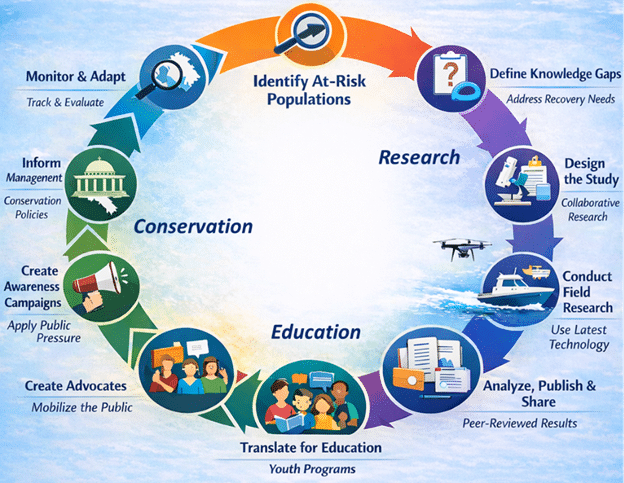
Step 6: Translating Science for Public Understanding
Not everyone reads scientific journals—so we bring the science to the people. Our Research, Education, and Communications teams work together to turn complex data into compelling stories, programs, and outreach. The goal? Make science accessible, relatable, and actionable.
Our Education team translates findings into classroom curricula, youth programs, and community engagement efforts. Since 2016, over 30,000 students have participated in PWF’s education programs—gaining a deeper understanding of ocean conservation and their role in it.
Step 7: Mobilizing Conservation Action
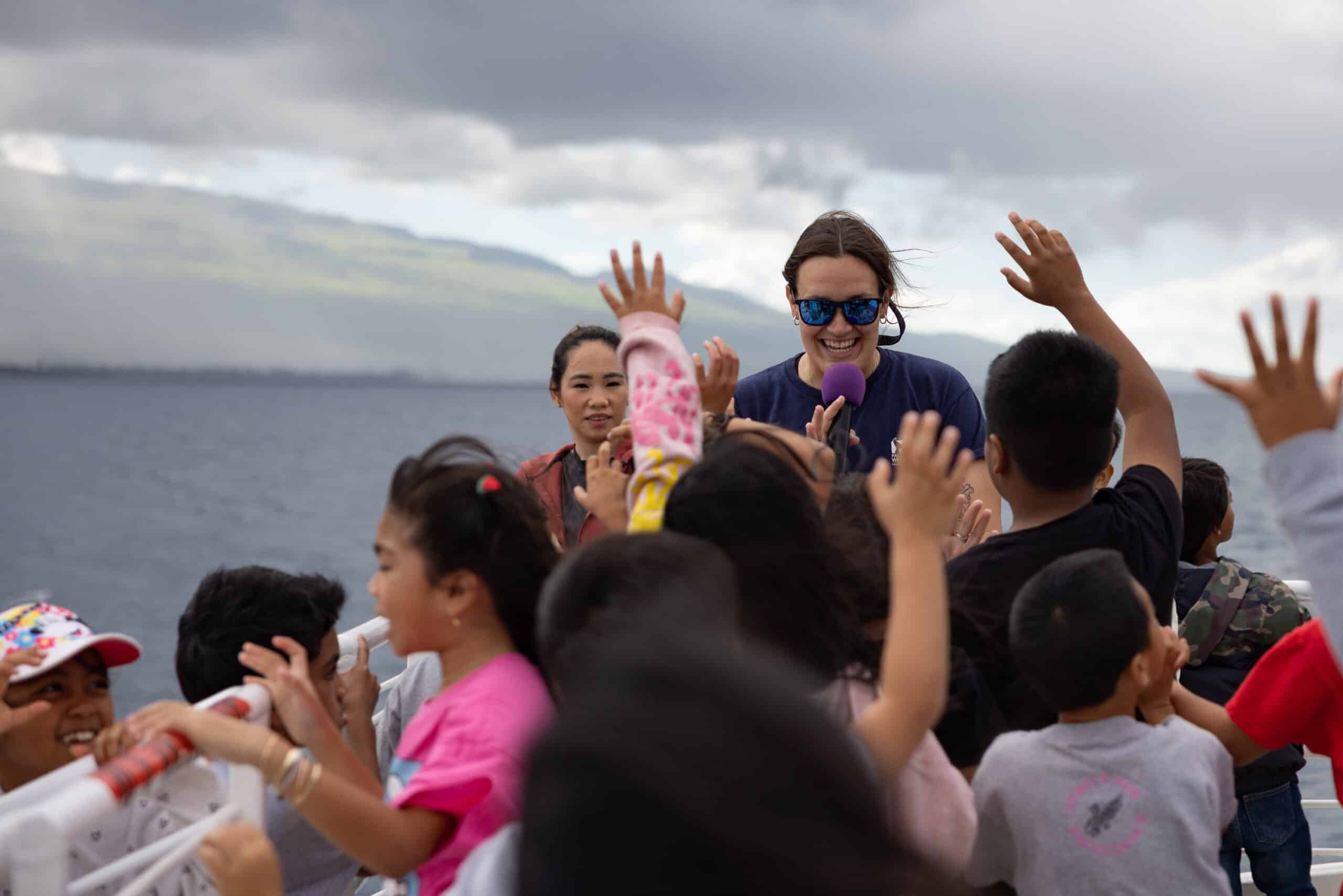
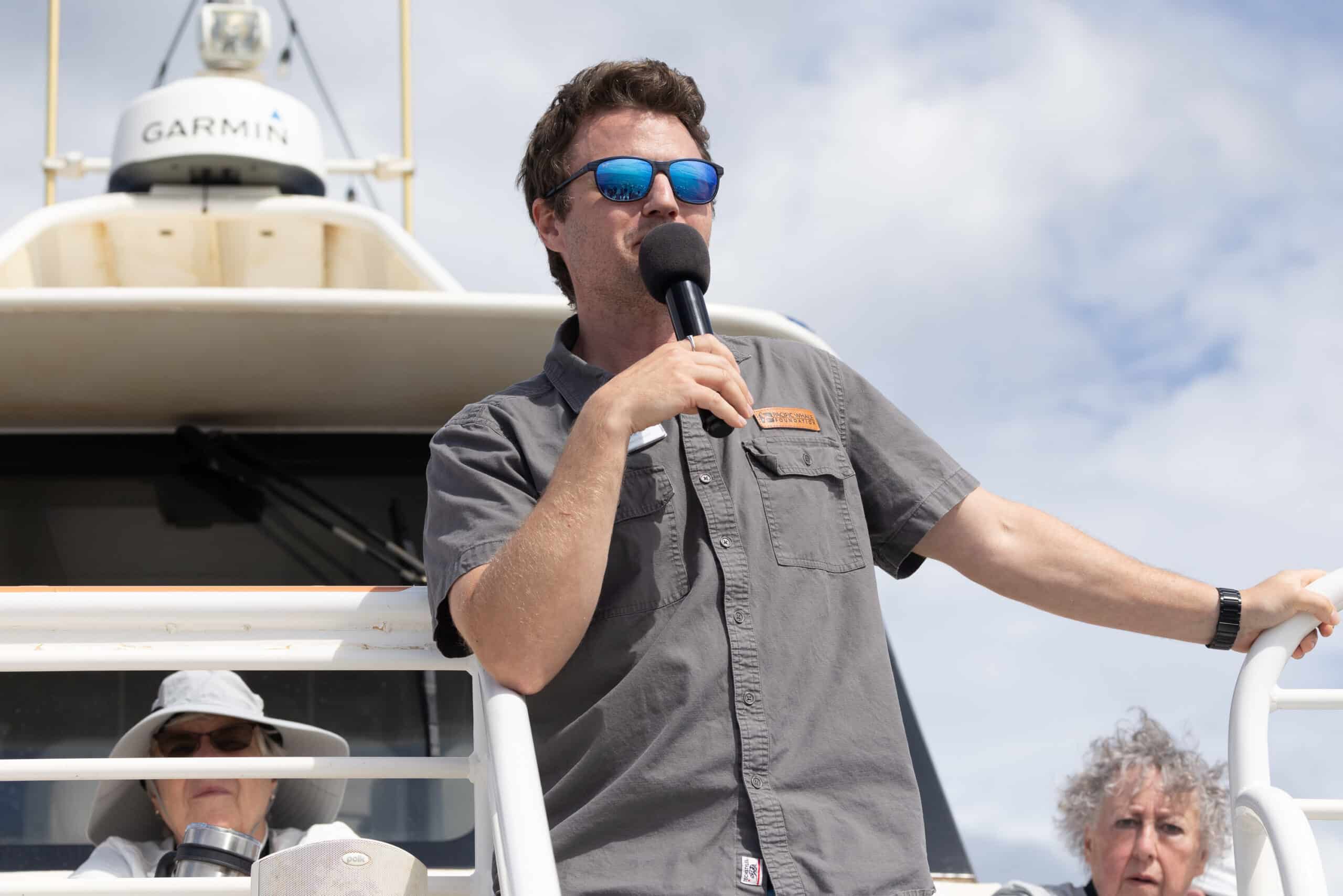
Mobilizing for action doesn’t always mean changing laws, it can also mean changing behaviors. We believe the most lasting conservation solutions come from the bottom up and with public support and awareness. That’s why our Conservation and PacWhale teams focus on turning science into community-driven action, not just policy.
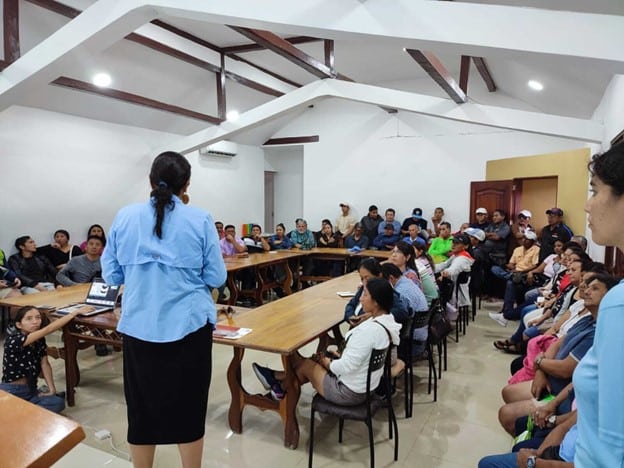
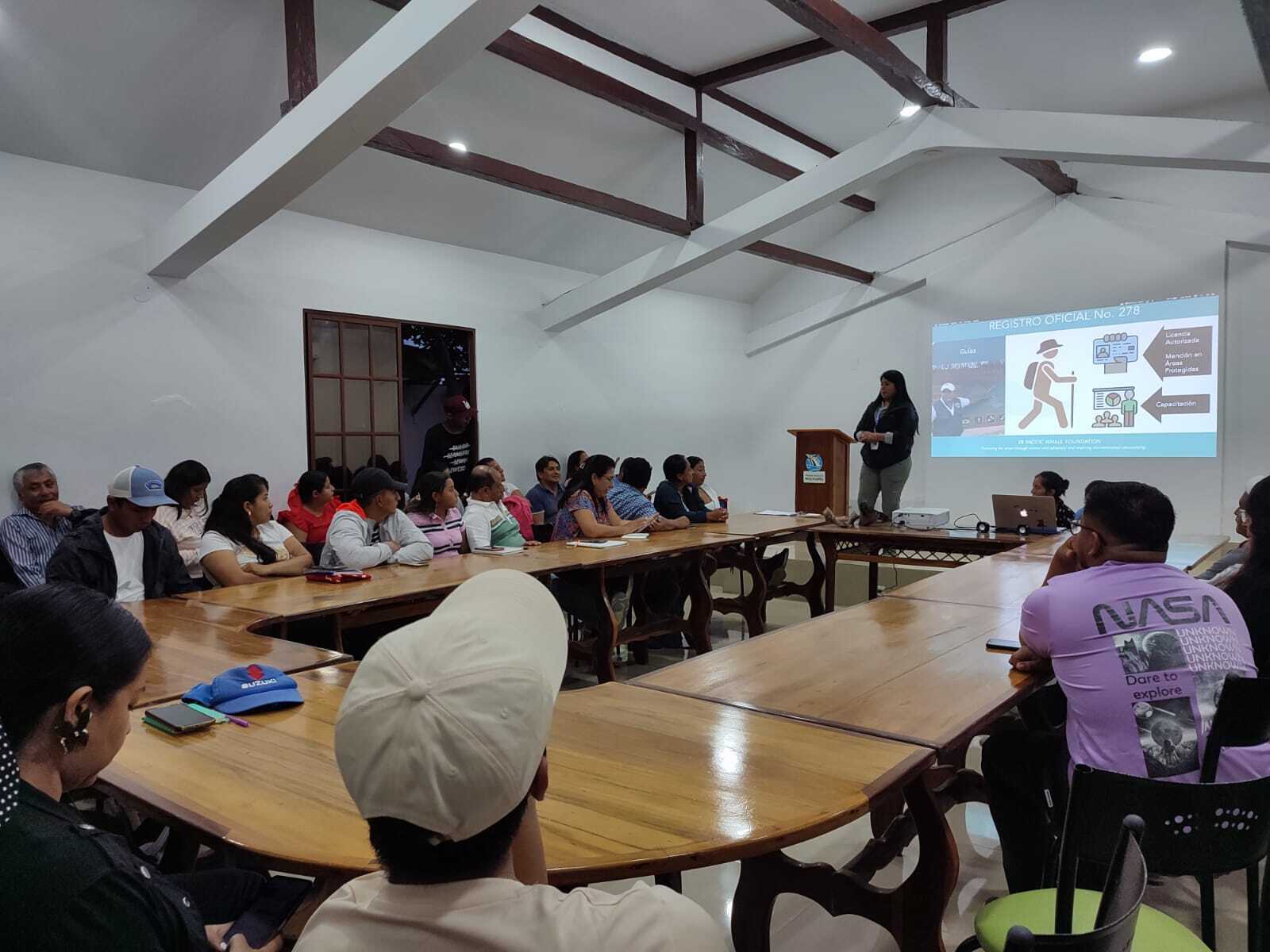
When our research revealed the increasing risk of vessel collisions and harassment to humpback whales in Hawaiʻi, we didn’t stop at publishing the findings. We convened a working group of whale watch operators, ferry captains, local experts, and government partners—including NOAA, DLNR, and the Hawaiian Islands Humpback Whale National Marine Sanctuary—to review the data and co-create solutions. Together, we developed a unified set of voluntary vessel guidelines grounded in science and strengthened by local knowledge. Instead of waiting for top-down policy, we focused on education, outreach, and trust-building—delivering captain trainings, public materials, and stakeholder workshops to ensure broad adoption for the protection of humpback whales.
Step 8: Informing Management & Driving Implementation
Armed with strong data, stakeholder buy-in, and years of collaborative outreach, we work closely with management agencies to bring science-based solutions to life.
Once a fully developed framework with community support was in place to reduce whale collisions and harassment, we brought it to the State of Hawaiʻi, which formally endorsed a new set of voluntary vessel guidelines. These first statewide recommendations for operating around humpback whales, announced by the Governor of Hawaiʻi, were grounded in peer‑reviewed science and deep community engagement—marking a major milestone in whale conservation and a model for how science can inform action.
Step 9: Monitoring Impact & Adapting
We continue monitoring study populations and human interactions to evaluate whether management actions are truly making a difference. If something isn’t working, we adapt and investigate further. This feedback loop—where science informs action, and action informs new science—is what keeps conservation efforts effective and responsive.
Today, we actively track whale-vessel collisions and harassment reports to assess the real-world impact of the guidelines. Through initiatives like Go Slow, Whales Below, we promote responsible boating behavior and gather data that helps us refine and improve protections over time. This is adaptive management in action—ensuring that every measure taken translates into measurable progress for whale conservation.
From Protection to Advocacy
From the first steps focusing on identifying populations most at risk to monitoring and adapting to new data, Pacific Whale Foundation translates scientific research into accessible stories, educational programs, and community outreach so that complex findings can inform and inspire public action.
Through collaboration with stakeholders, industry leaders, and government partners, research insights are turned into practical conservation solutions, such as voluntary vessel guidelines developed to reduce whale collisions and harassment in Hawaiʻi.
Across the Pacific, our researchers, educators, and conservationists are actively applying this framework to address the most pressing threats facing whales, dolphins, and the ocean ecosystems they call home.
NMFS Research Permit #27099.