A seven-year study tracked the body condition of nearly half of Hawaiʻi’s insular false killer whales, and what researchers found should alarm all of us.
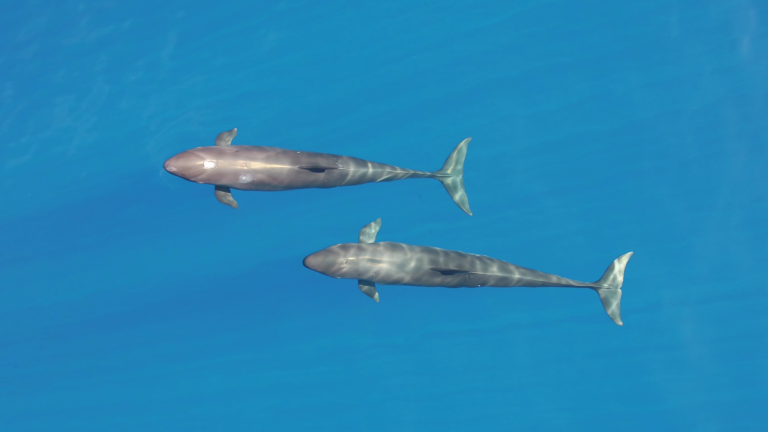
From a 20 feet above the Pacific, a drone camera captures something that would be impossible to see from a boat deck: the gradual wasting of a whale. Not in real time — but over weeks and months, comparison by comparison, frame by frame. In the span of ten weeks, one individual false killer whale lost an estimated 28% of its body mass. That’s roughly 500 pounds — gone.
This is not a story about a single animal. It is a story about a population on the edge — and about the research now making it possible, for the first time, to see exactly where that edge is.
Hawaiʻi’s insular false killer whales (Palaoa) number fewer than 140 individuals. They are one of the smallest, most endangered whale populations in the United States.
Seven Years, 68 Whales, and a Question That Couldn’t Wait
From 2019 through 2025, researchers from Pacific Whale Foundation (PWF), the Marine Mammal Research Program (MMRP) at UH Mānoa Hawaiʻi Institute of Marine Biology, and the Okinawa Churashima Foundation in Japan conducted a first-of-its-kind study: systematically tracking the physical condition of individual false killer whales using high-resolution drone photogrammetry. Published in June 2026 in the journal Endangered Species Research, the findings provide the first quantitative evidence that nutritional stress may be driving this population’s decline.
The study tracked 68 whales — roughly half of the remaining population — measuring body width, length, and condition at multiple points over time. To ensure accuracy, the team validated their drone measurements against precise 3D scans of whales in human care at the Okinawa Churashima Foundation in Japan. That calibration step confirmed the study’s measurements are accurate to within 3%. This is not an estimate or an approximation. When the data says a whale lost 500 pounds, it means it.
The population’s overall Body Condition Index, an indicator of animal health, hit a record low in 2020 — the year following a severe marine heatwave in the Pacific and the population recorded its largest single-year drop in recent history. That timing is not believed to be coincidence.
A Thin Metabolic Margin
False killer whales are apex predators. They hunt large pelagic fish — ʻahi ( tuna), mahimahi, ono, aku — the same species prized by Hawaiʻi’s fisheries. When prey becomes scarce, whether due to warming ocean temperatures, overfishing, or competition, these whales feel it directly.
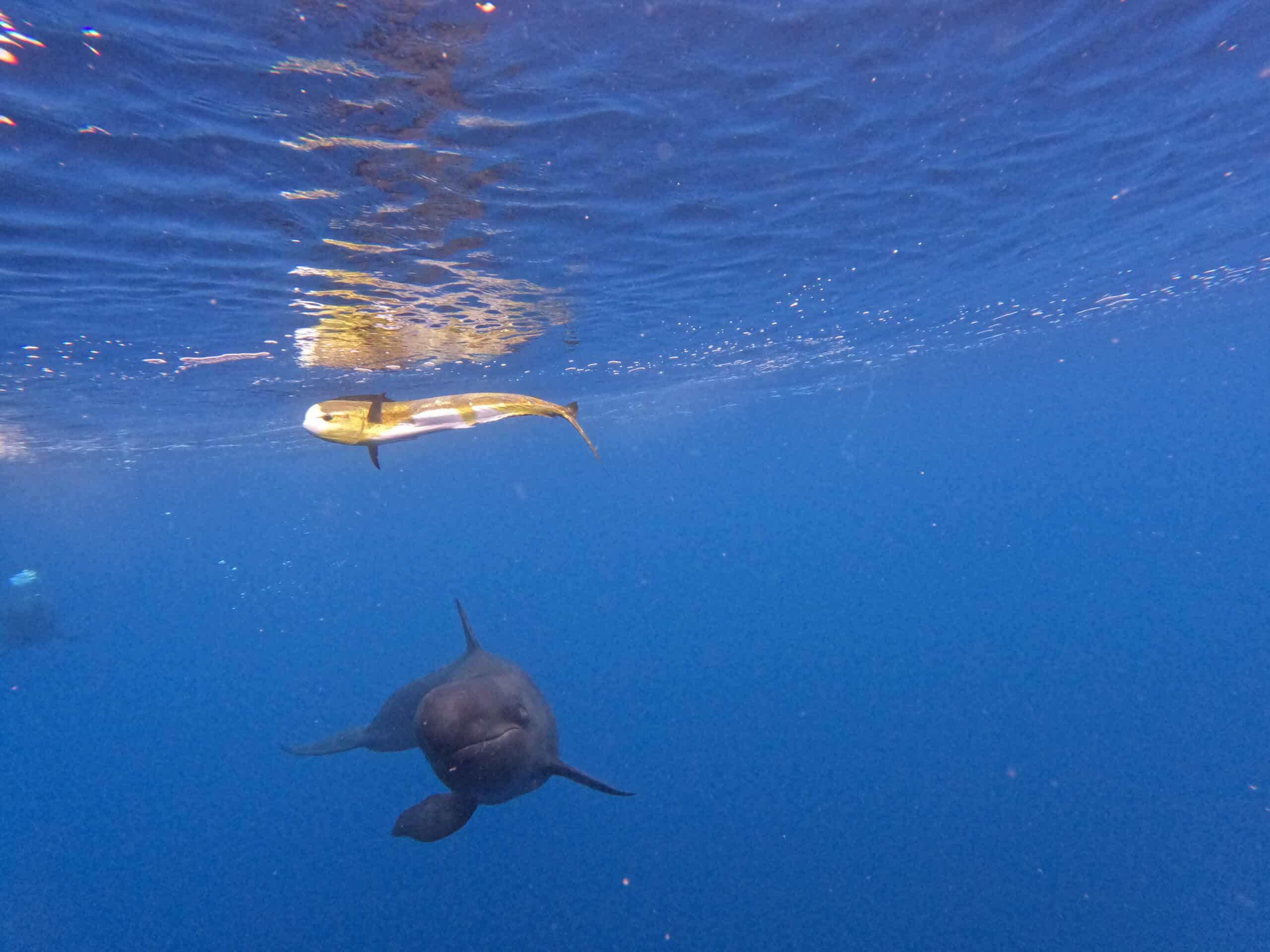
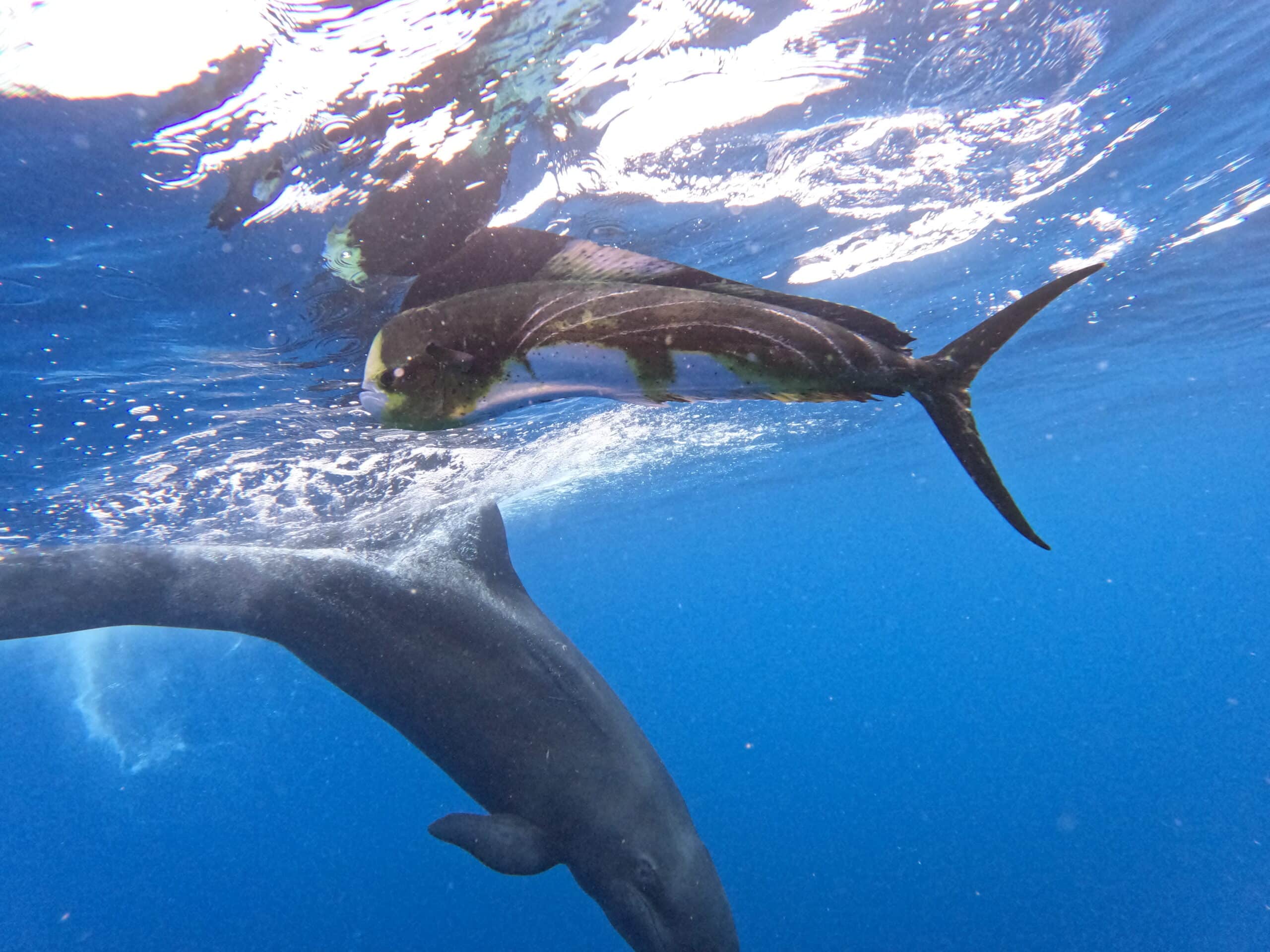
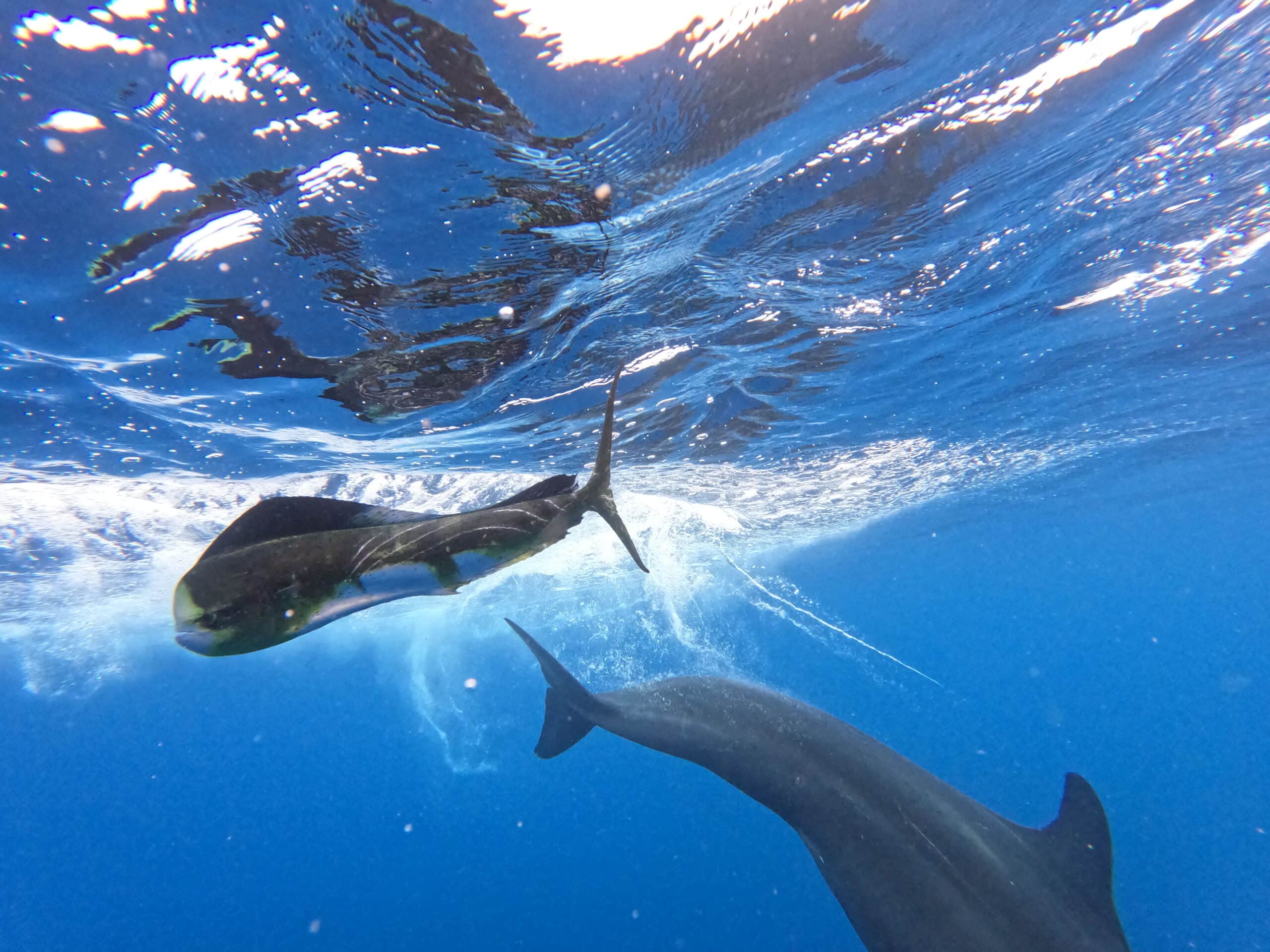
“This study is a critical step in understanding whether prey limitation is driving the extinction risk for these whales. Our findings suggest that many individuals are living on a thin metabolic margin. We are now examining how competition with fisheries for high-energy prey like ʻahi (tuna) and mahimahi may be forcing these whales into a state of chronic nutritional stress.”
– Jens Currie, Chief Scientist, Pacific Whale Foundation
The study also found that health is not distributed equally across the population. Whales in what researchers call “Cluster 1” — a social group known for traveling broad distances across thethe main Hawaiian Islands — showed significantly greater variability in physical condition. The energetic cost of ranging widely to find food may be taking a heavier toll on these animals than on those with smaller home ranges.
Precision That Makes Conservation Possible
One of the most consequential aspects of this study is not what it found — but how precisely it found it. The 3% measurement accuracy unlocked something that broad surveys cannot offer: the ability to track individual animals over time and detect the early warning signs of decline before they become irreversible.
“This level of precision allows us to pinpoint exactly when and where these whales are struggling, which is key for directing conservation efforts.“
– Lars Bejder, MMRP Director, HIMB Professor
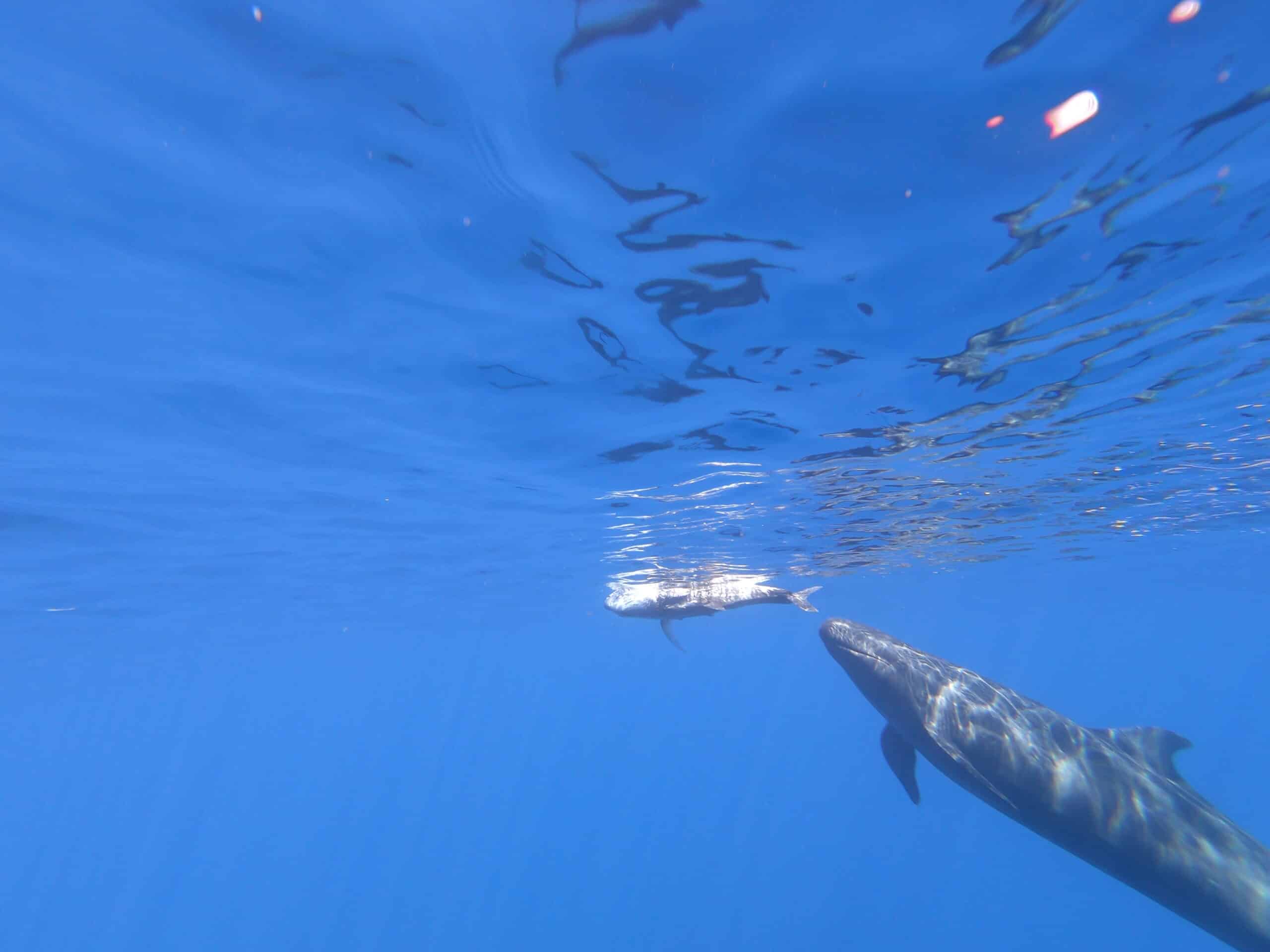
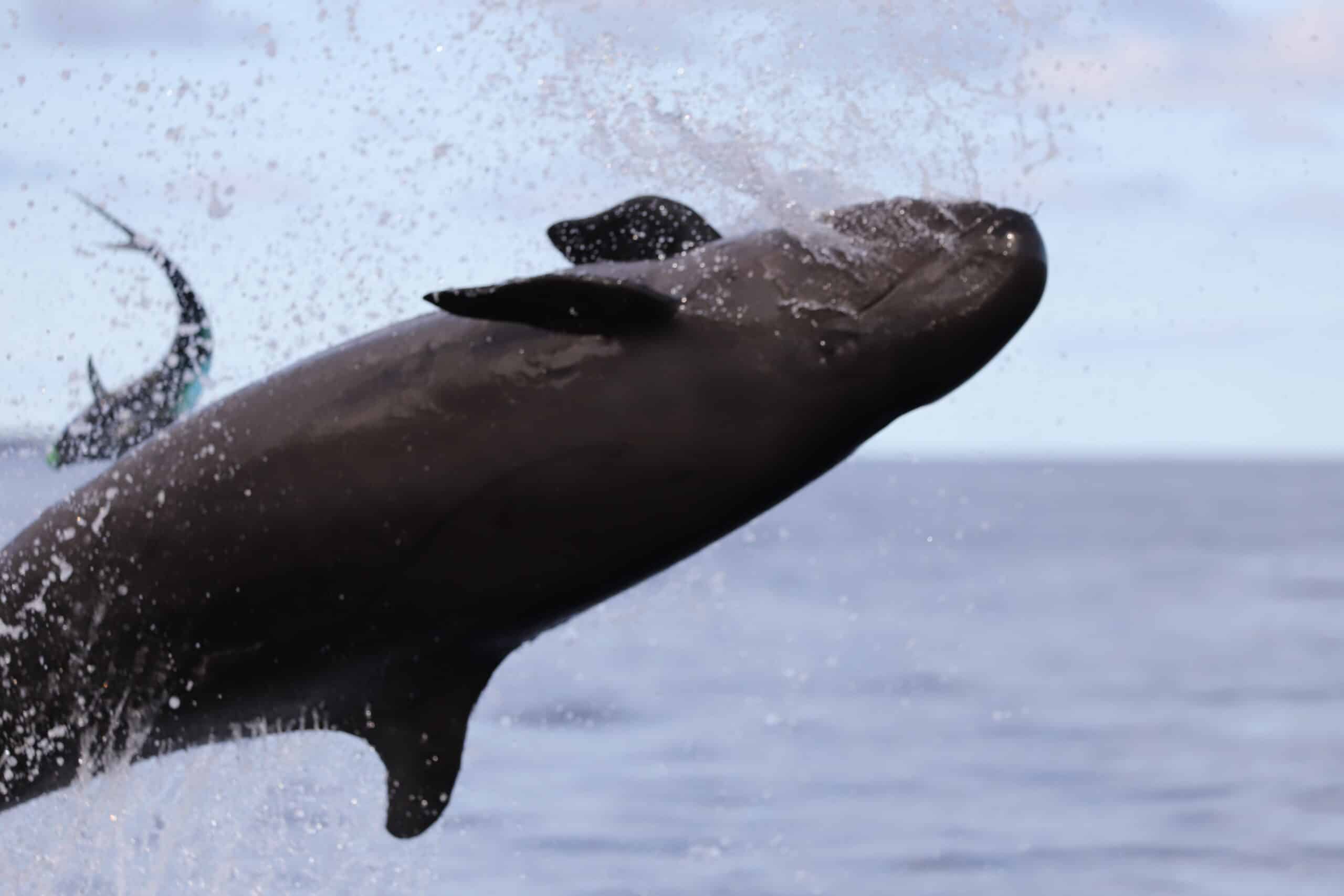
The international partnership that made this possible — spanning Maui, Honolulu, and Okinawa — is itself a model for how conservation science can scale. Using 3D scans from whales in human care to calibrate measurements of wild, endangered animals is an approach that could be applied to populations across the Pacific.
More Than Biology
The science is urgent. But so is something harder to quantify.
“Hawaiian culture has been losing many kūpuna, elders who carry the libraries of knowledge in cultural practices. Losing our native population of false killer whales removes even more knowledge from our islands and our history. We cannot afford to lose any more pieces of Hawaiʻi.“
– Kaʻapuni, Cultural Advisor, Pacific Whale Foundation
These whales are not visitors passing through Hawaiian waters. They are residents — a distinct population adapted over generations to the coastal ecosystems of this archipelago, culturally recognized and ecologically irreplaceable. At a decline rate of approximately 3.5% per year, the window to act is not distant. It is now.
What Comes Next — and How You Can Help
This study is a foundation, not a finish line. Researchers now have the baseline data needed to track body condition trends in real time — to see, season by season, whether these whales are stabilizing or continuing to decline. Future studies will use these findings to examine the relationship between prey availability, fishing pressure, and false killer whale health, informing the kind of science-based fisheries management that could give this population room to recover.
Whales and dolphins face multiple simultaneous pressures: climate change, entanglement in fishing gear, pollution, and prey depletion. Research like this — precise, longitudinal, and actionable — is how we identify which pressures are most urgent, and where intervention can make the biggest difference.
Your support makes this work possible. PWF’s research programs depend on sustained funding to maintain the long-term monitoring that short-term grants cannot sustain. A seven-year study does not happen without seven years of commitment — from researchers, from partners, and from donors who believe the ocean is worth protecting.