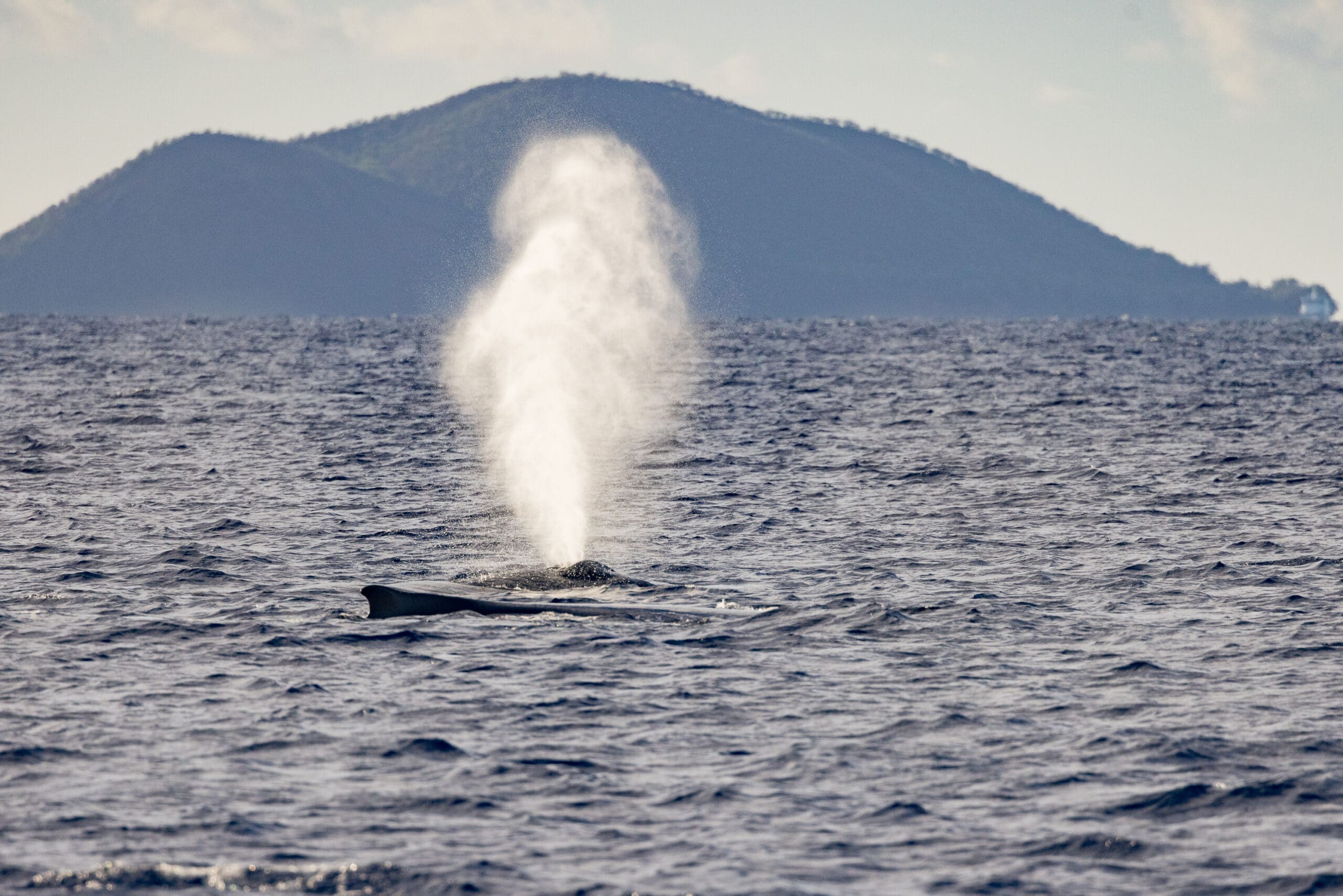
As winter eases across Hawaiʻi, the Maui whale watching season begins its close. This year’s heavier rains brought a more challenging ocean, a reminder that nature sets the rhythm. Yet one truth remains: if North Pacific humpback whales return to these warm, protected waters, Maui will continue to stand among the world’s most extraordinary destinations to encounter whales in the wild.
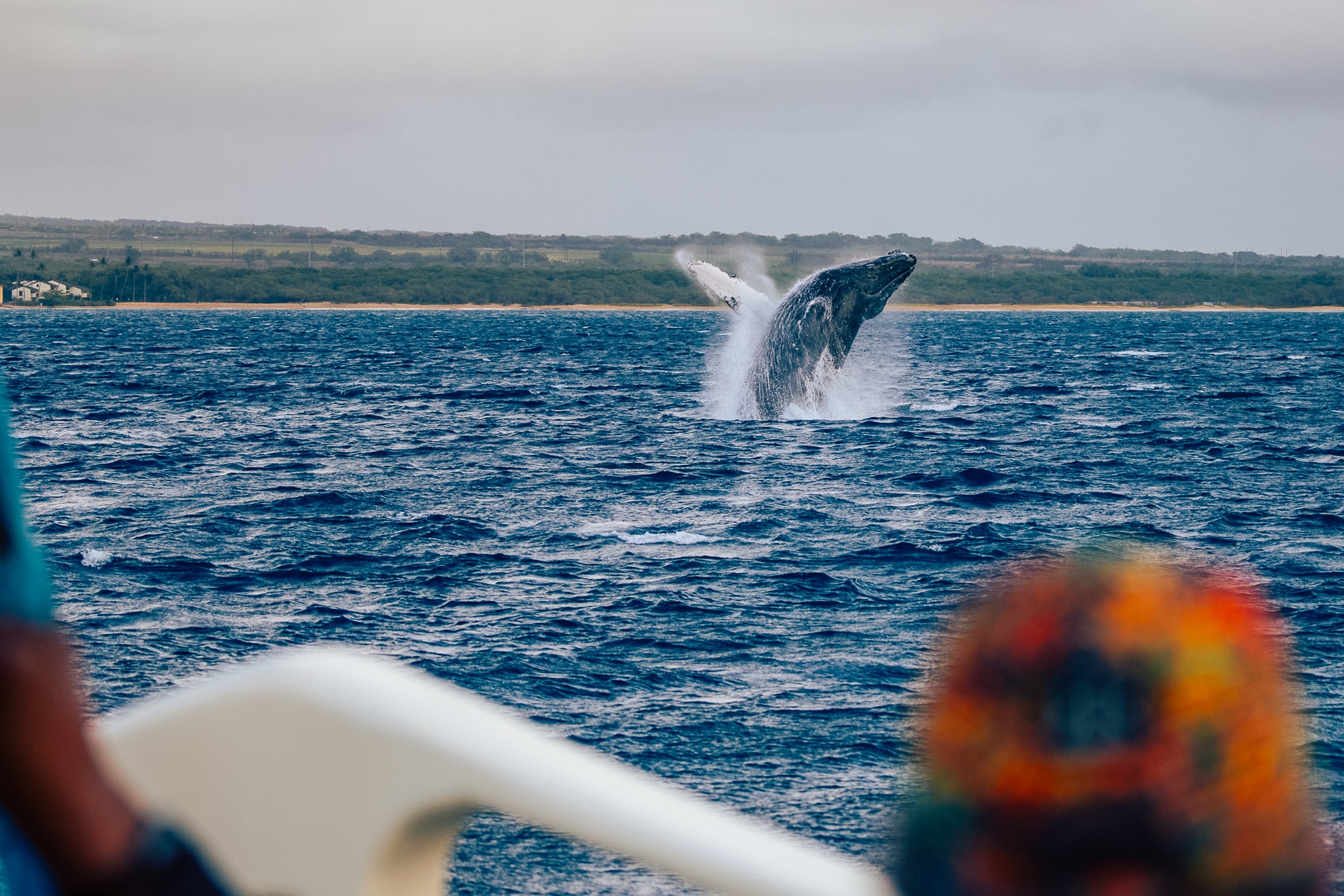
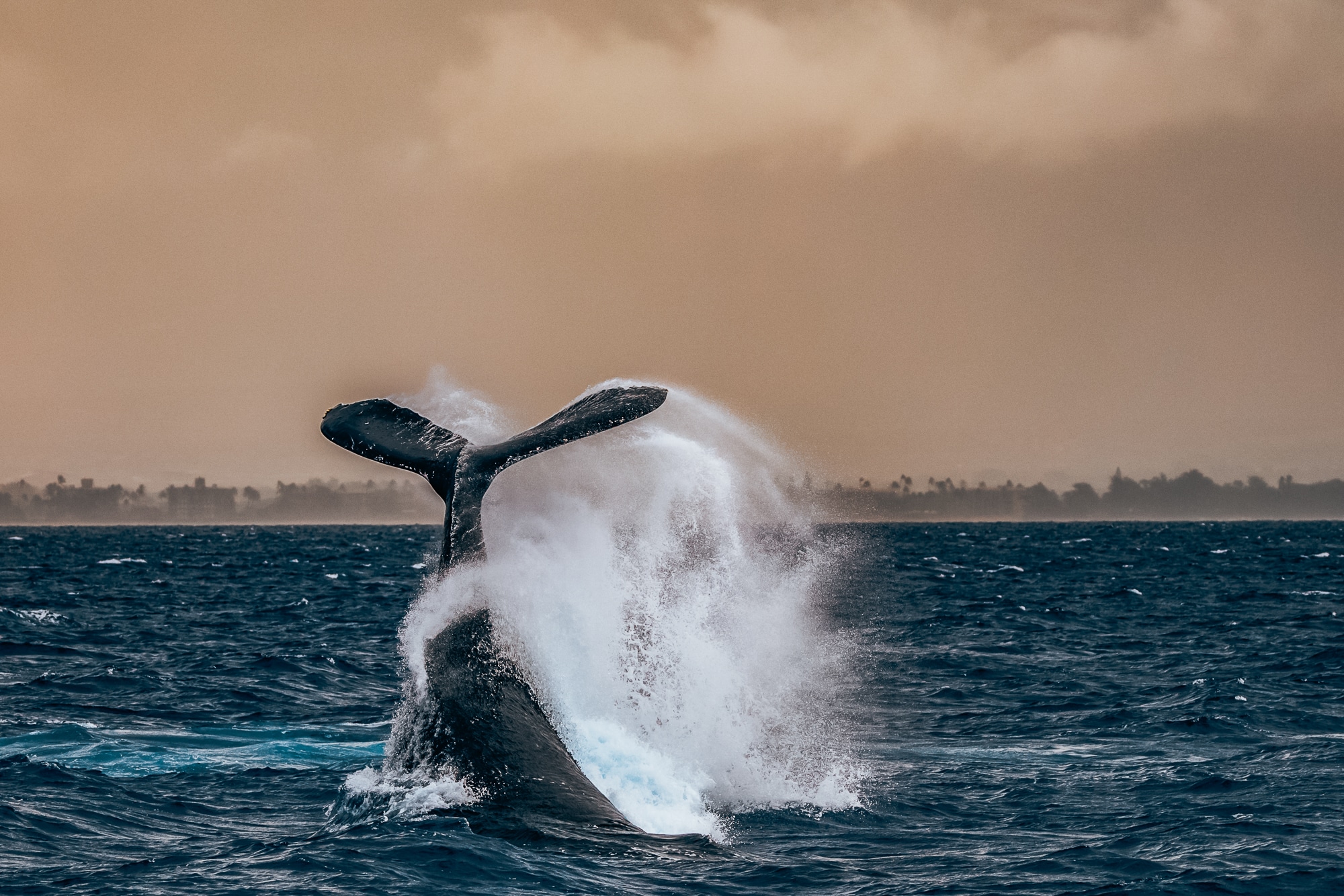
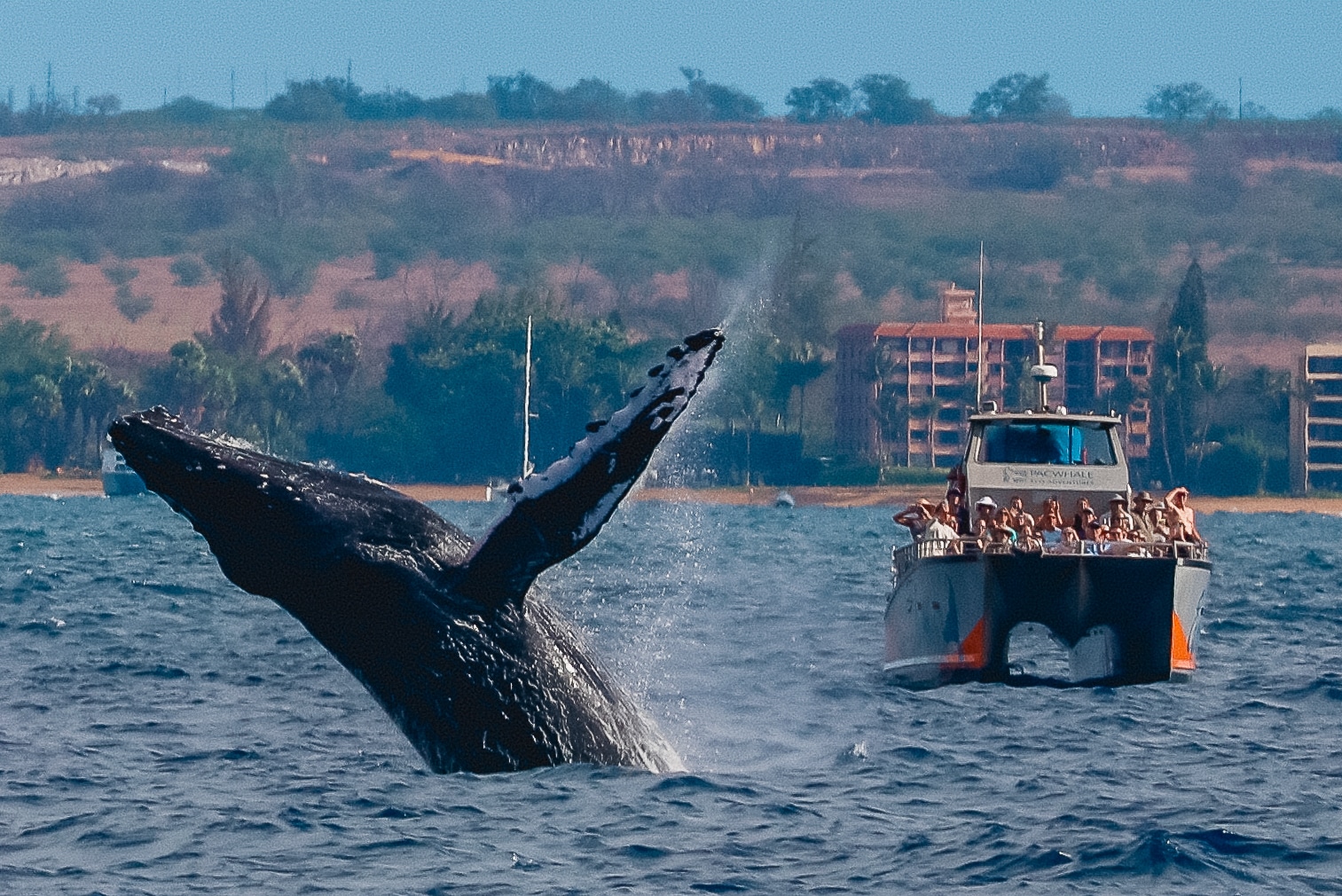
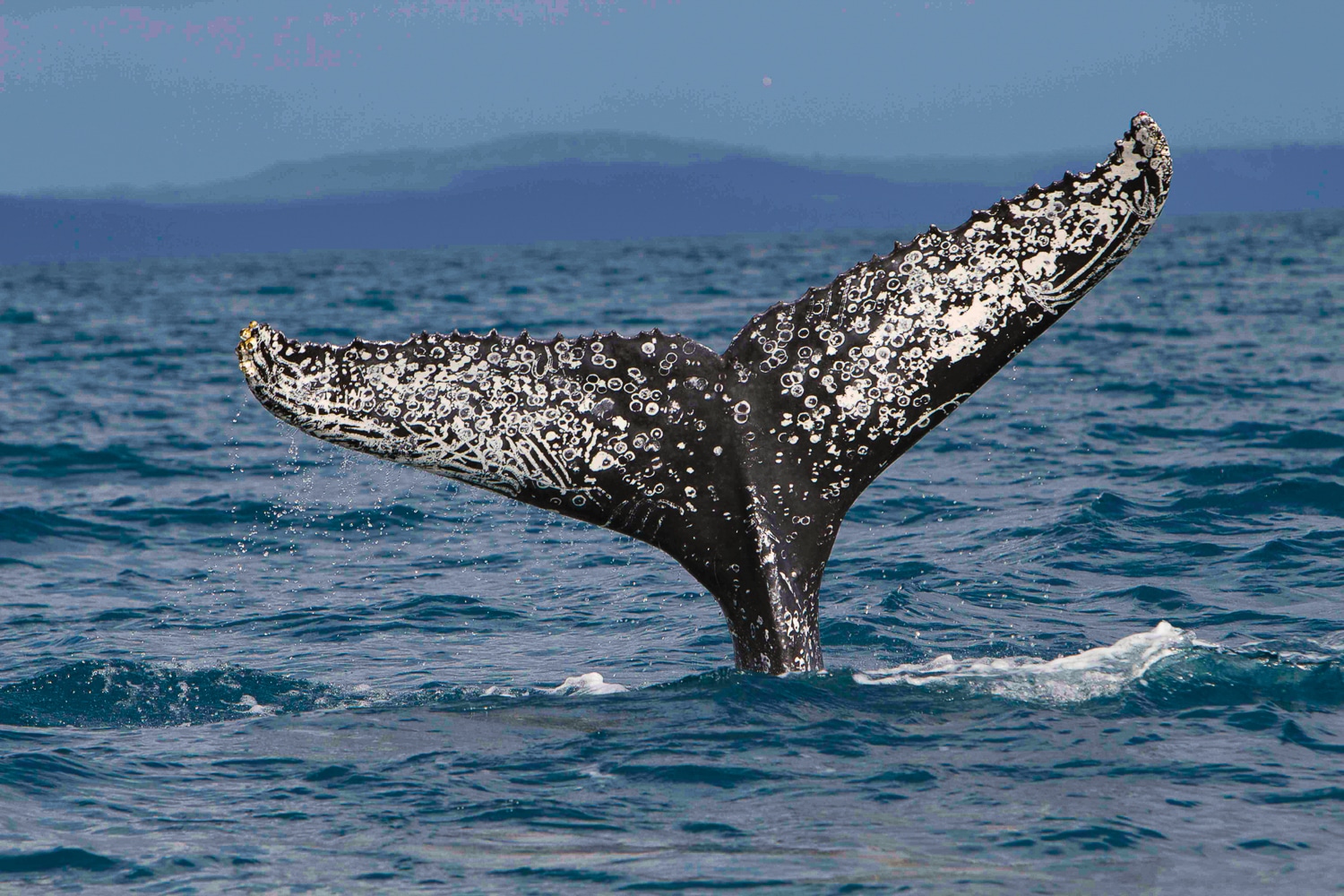
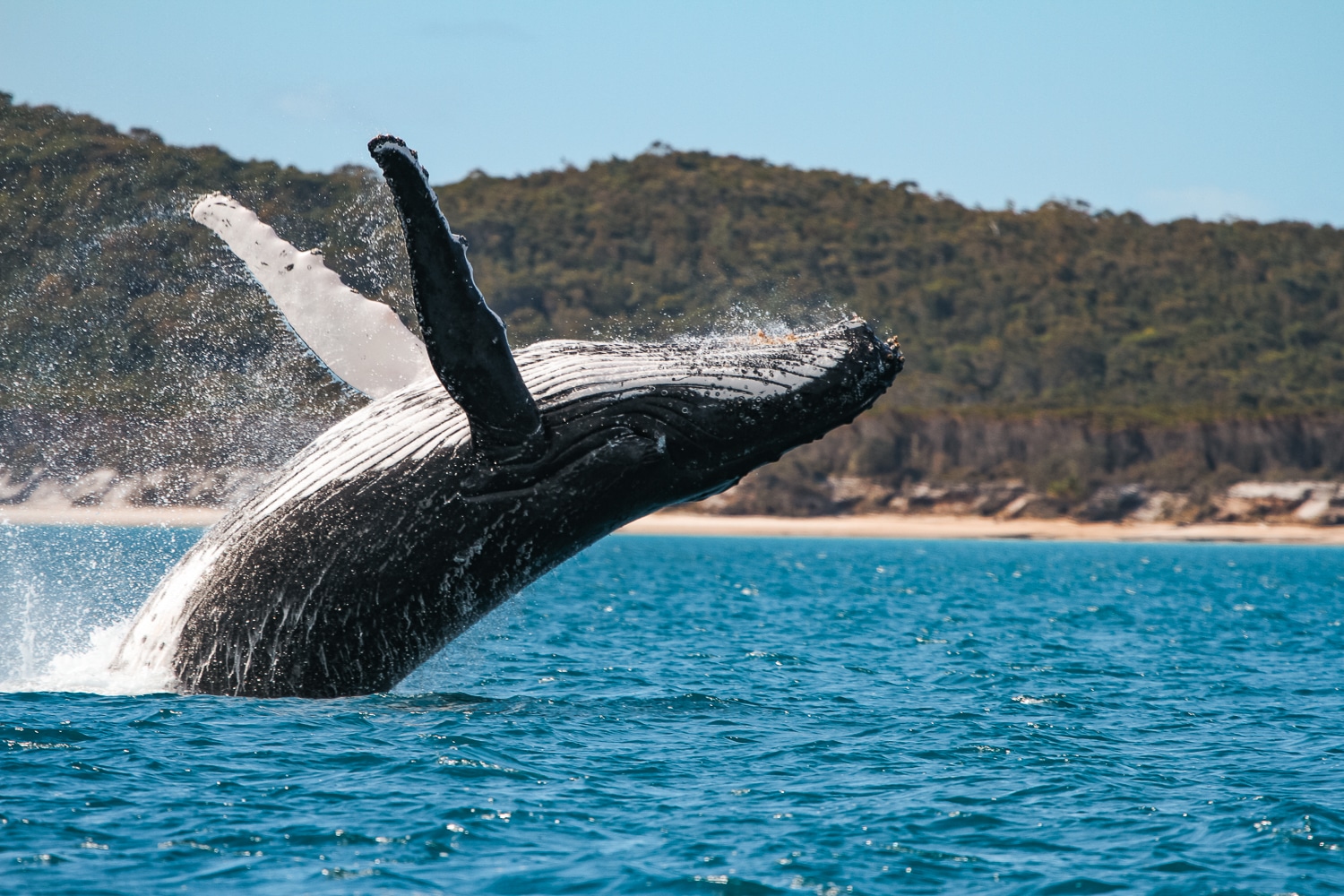
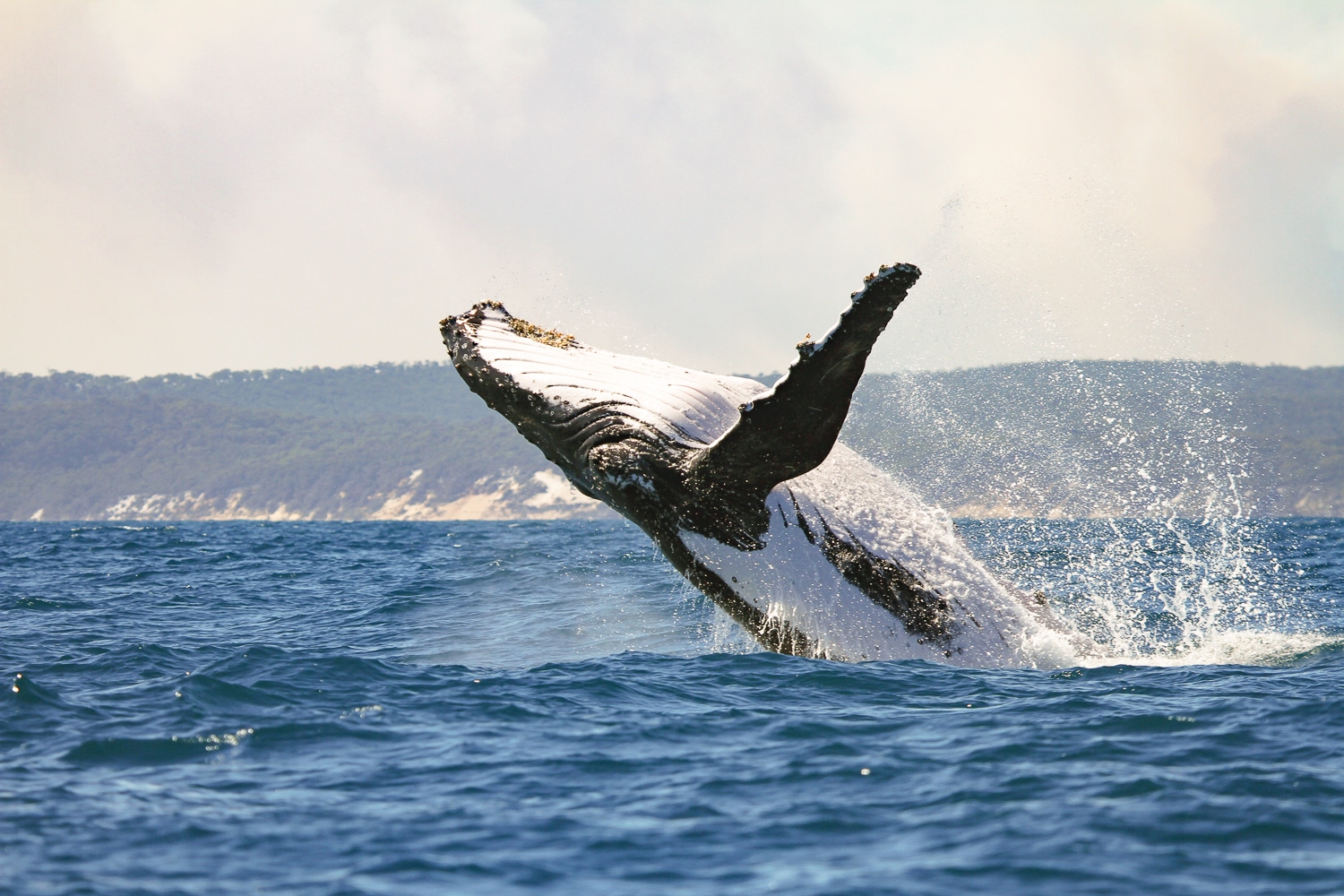
Within the Hawaiian Islands Humpback Whale National Marine Sanctuary, guests experience one of nature’s most powerful cycles. Each year, humpback whales travel thousands of miles from Alaska and northern latitudes to breed, give birth, and nurture their young. In these final weeks of the season, there is still time to witness a mother and calf at the surface or the force of a full-bodied breach, moments that define the Maui whale watching experience.
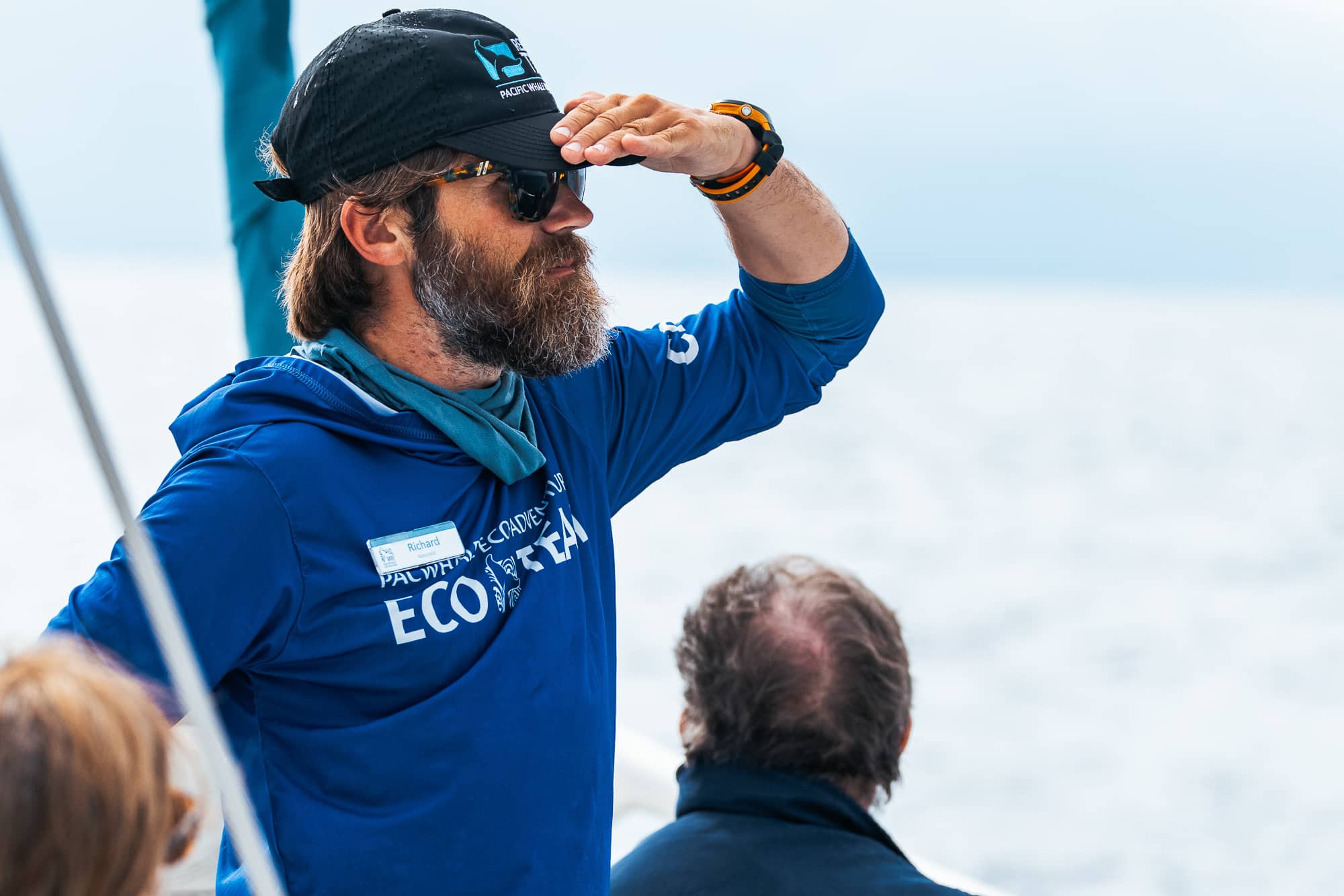
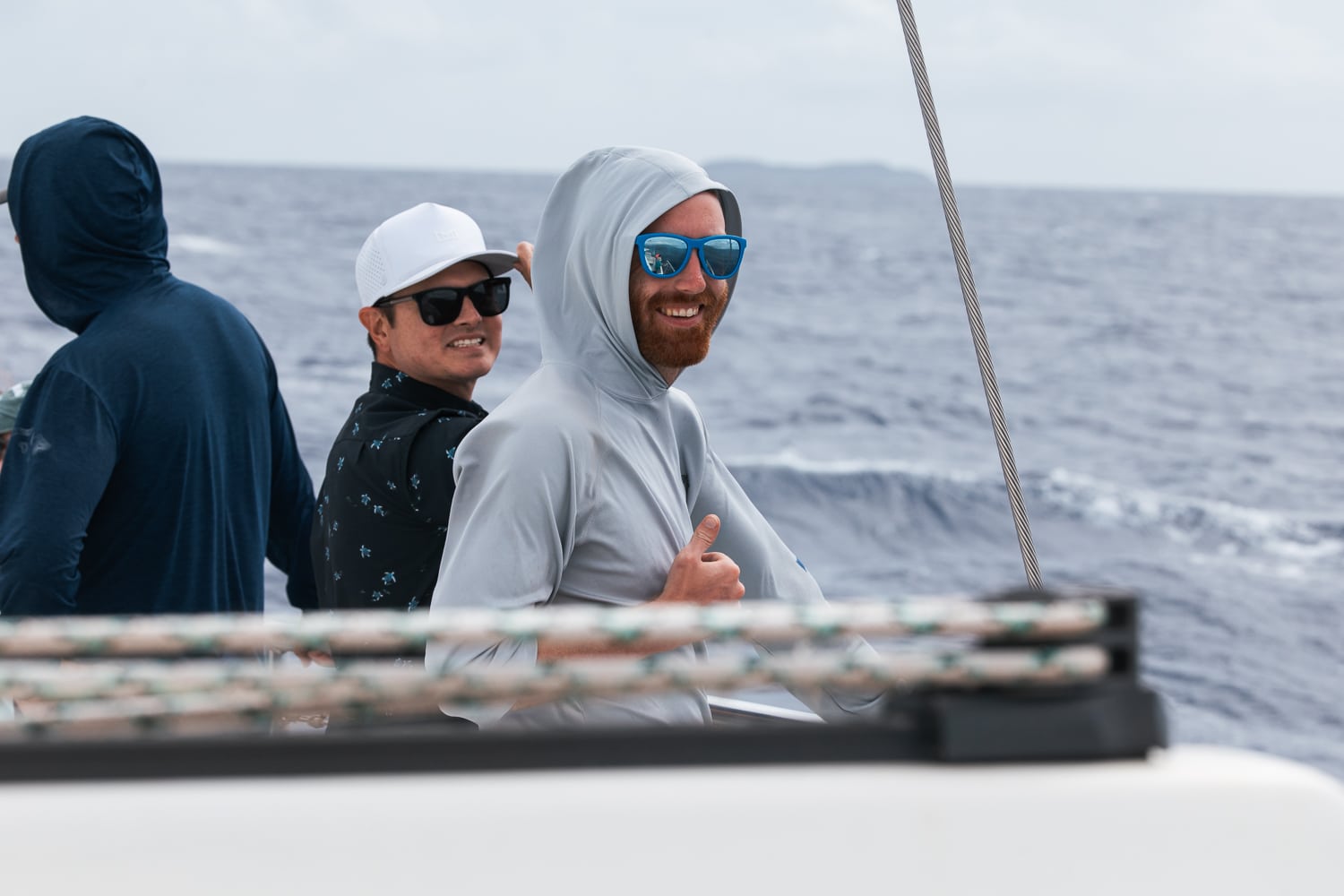
As the season shifts, so does life on the water. PacWhale Eco-Adventures transitions into summer activities, offering snorkeling tours, sunset sails, and ocean experiences across the Maui Nui Basin. Some crew members, including naturalists, follow the whales north to Alaska, continuing their work as educators and stewards as the whales return to their feeding grounds. The story does not end in Hawaiʻi. It moves with the migration.
From Maui’s final breaches, whale watching continues beyond the horizon.
Following the whales to Australia
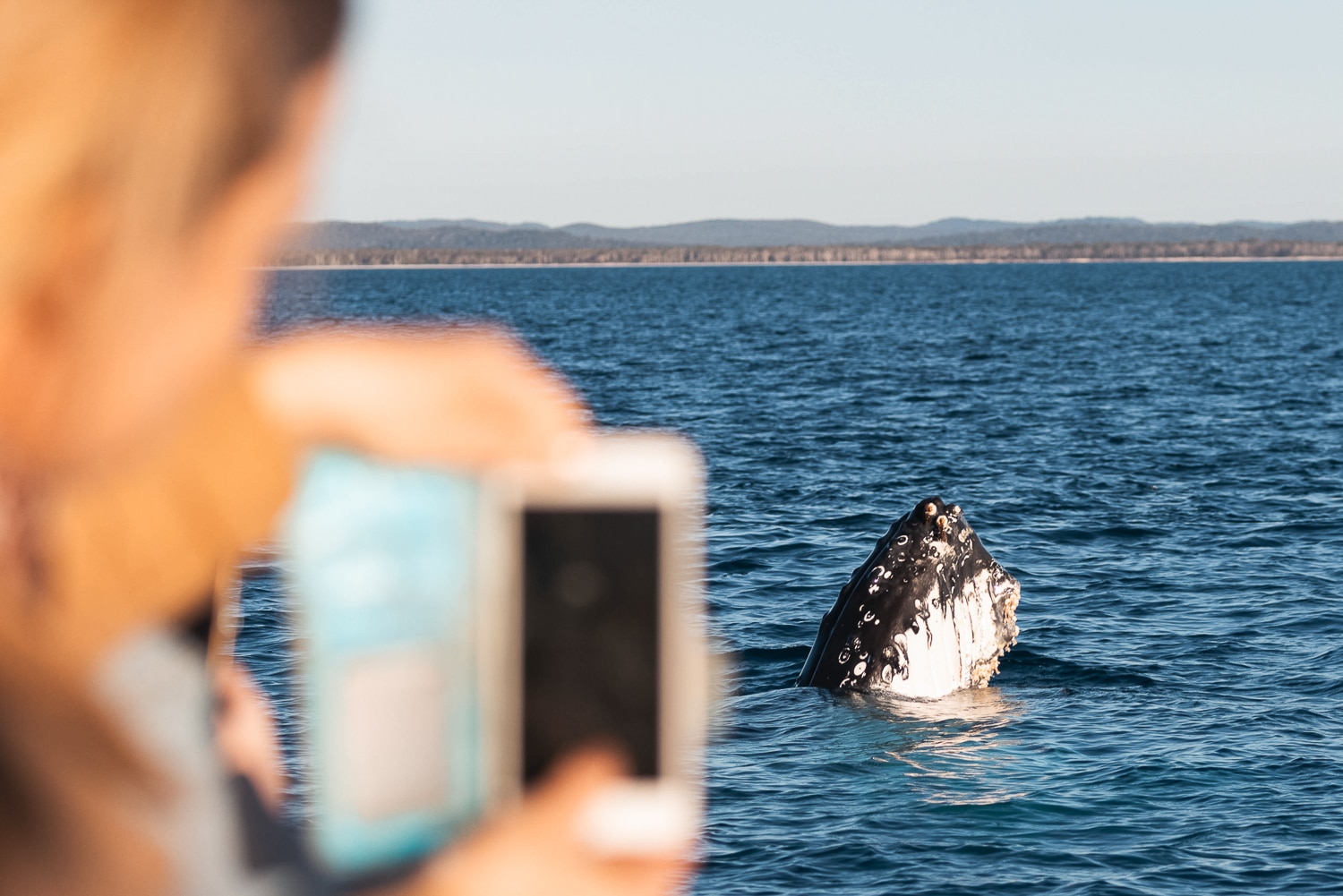
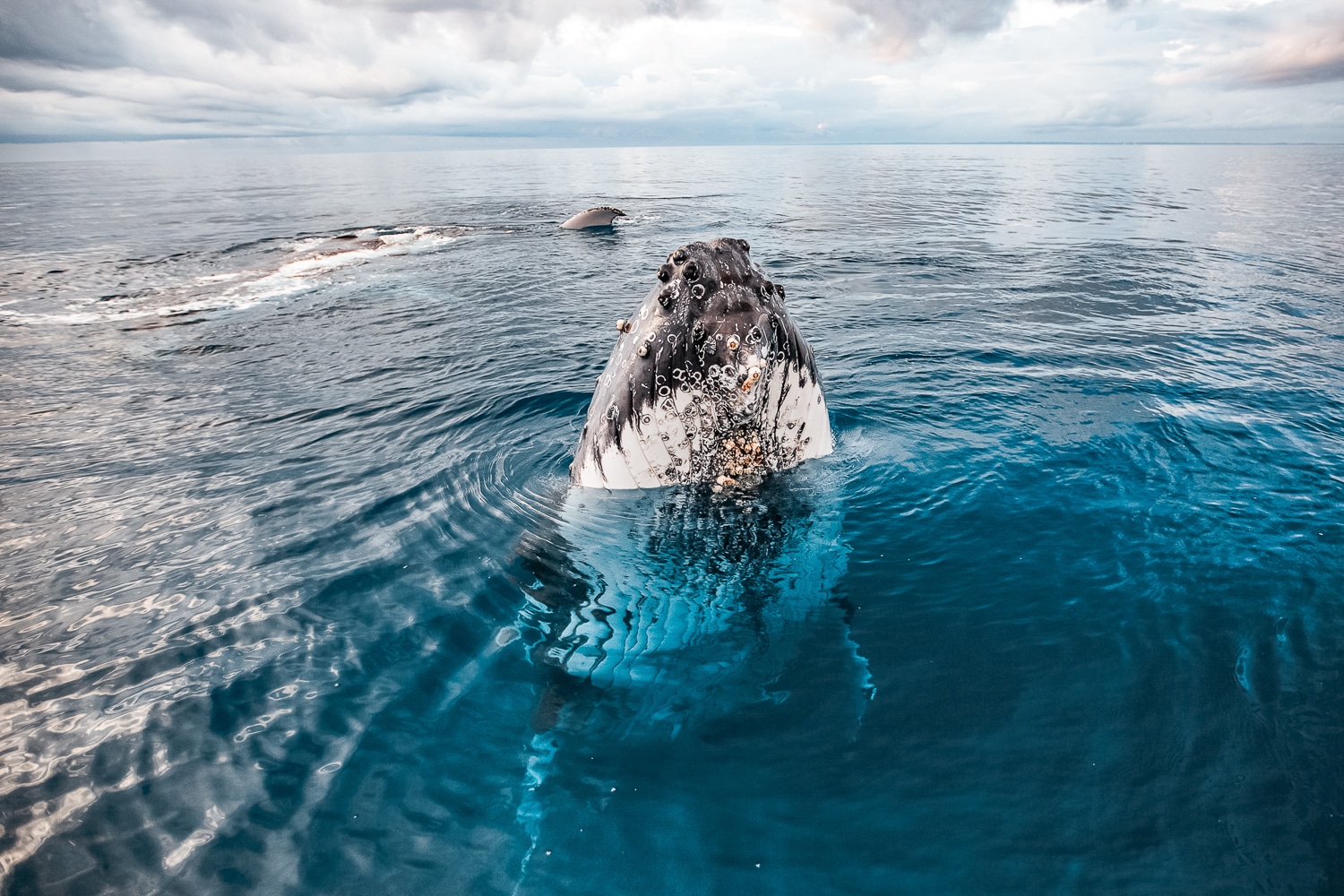
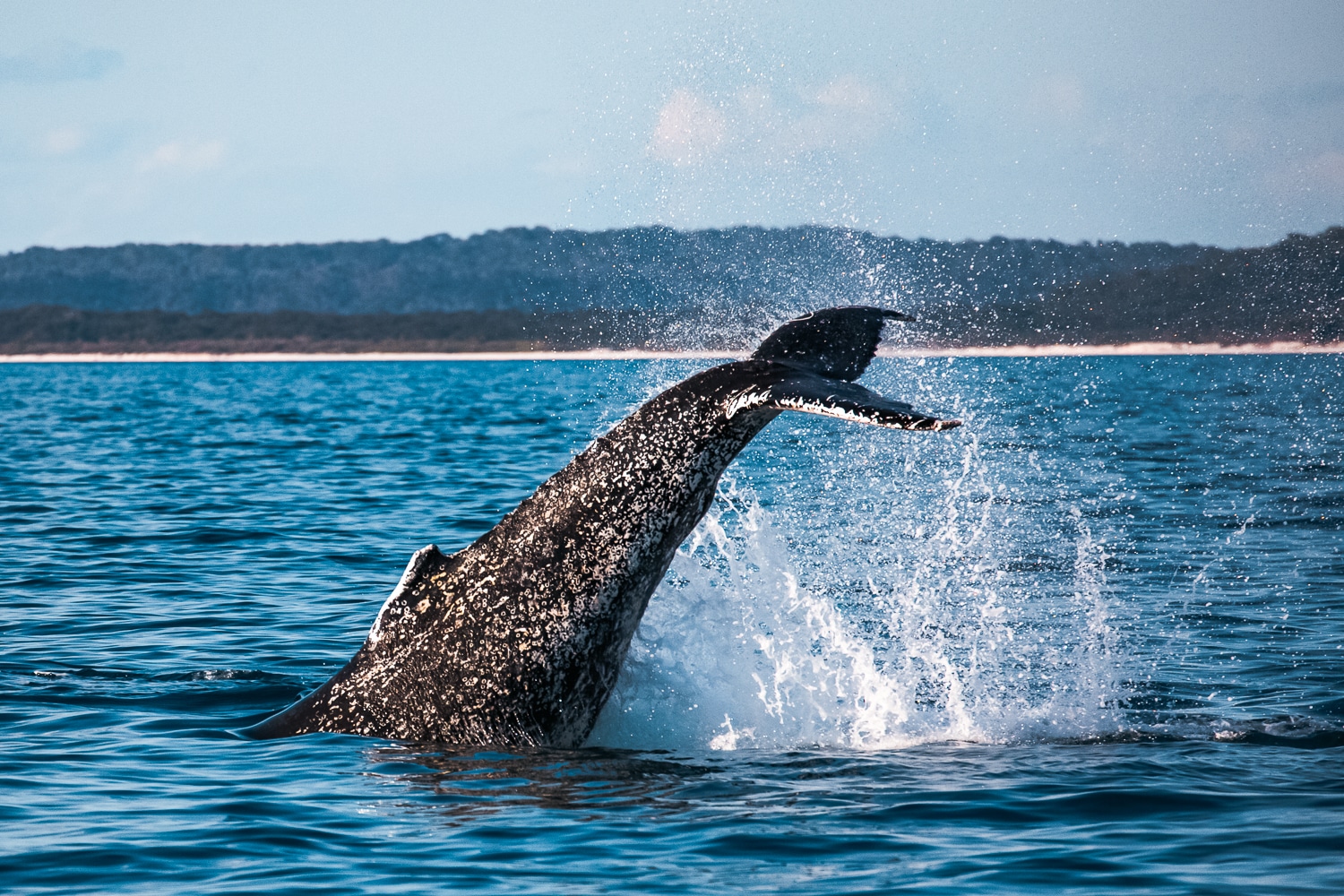
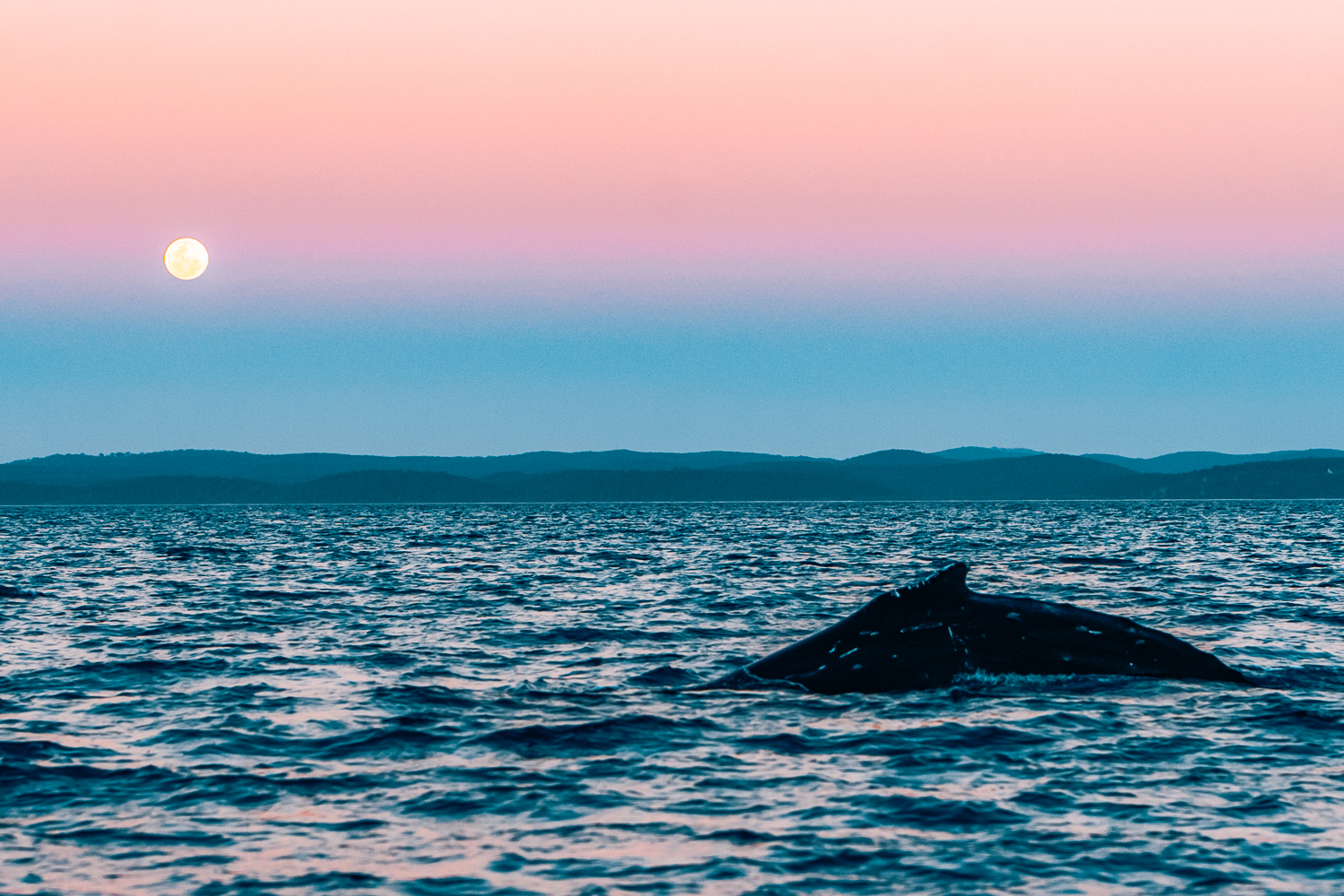
As the Northern Hemisphere whale season winds down, the Southern Hemisphere comes to life. Along Australia’s eastern coastline, thousands of humpback whales migrate north to breed and give birth, marking the peak of the Australia whale watching season from July through October.
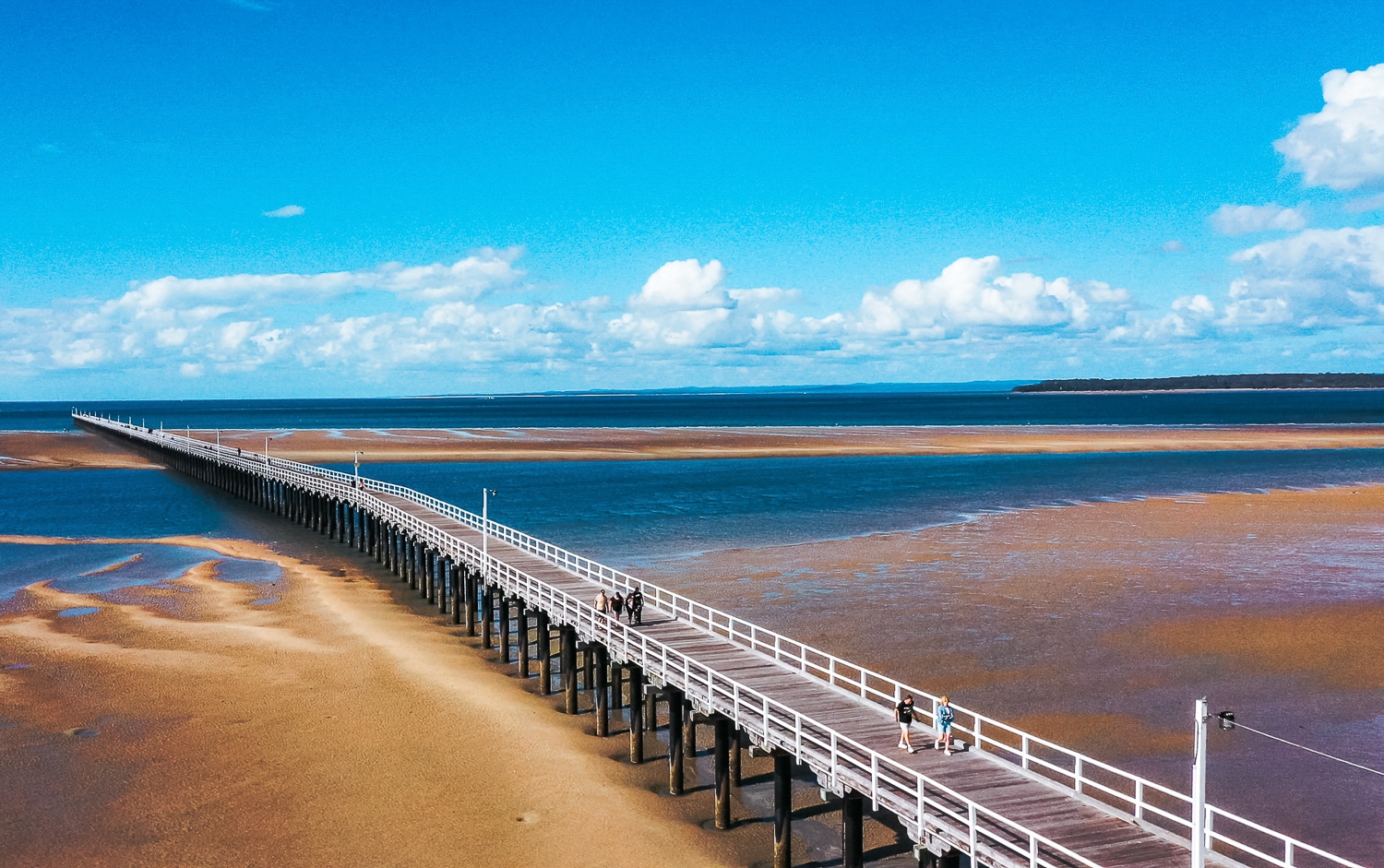
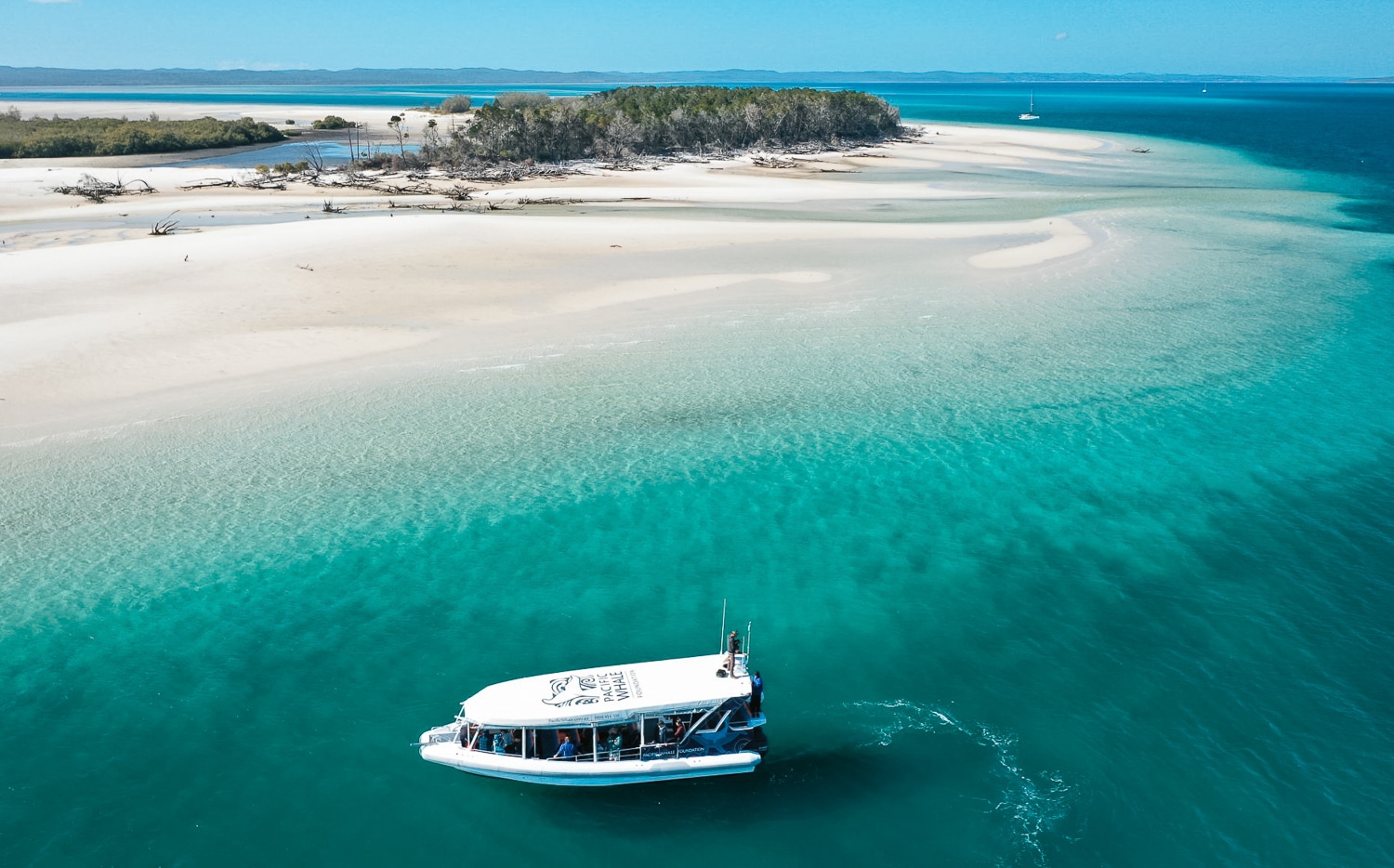
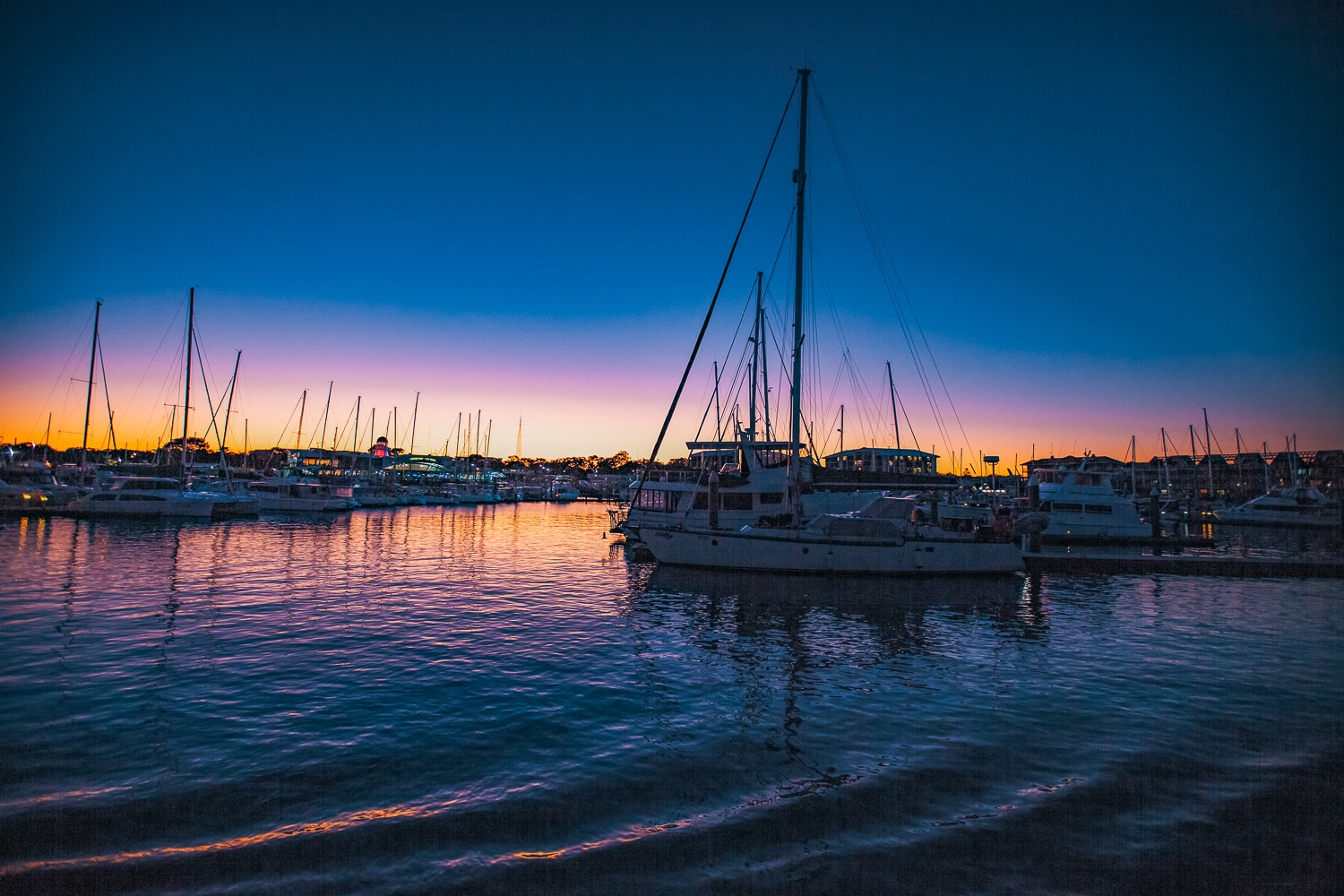
Just three hours north of Brisbane, Hervey Bay is recognized as one of the world’s premier whale watching destinations. Located within the Great Sandy Biosphere Reserve, a UNESCO-recognized region, the area is celebrated for its protected waters and exceptional biodiversity.
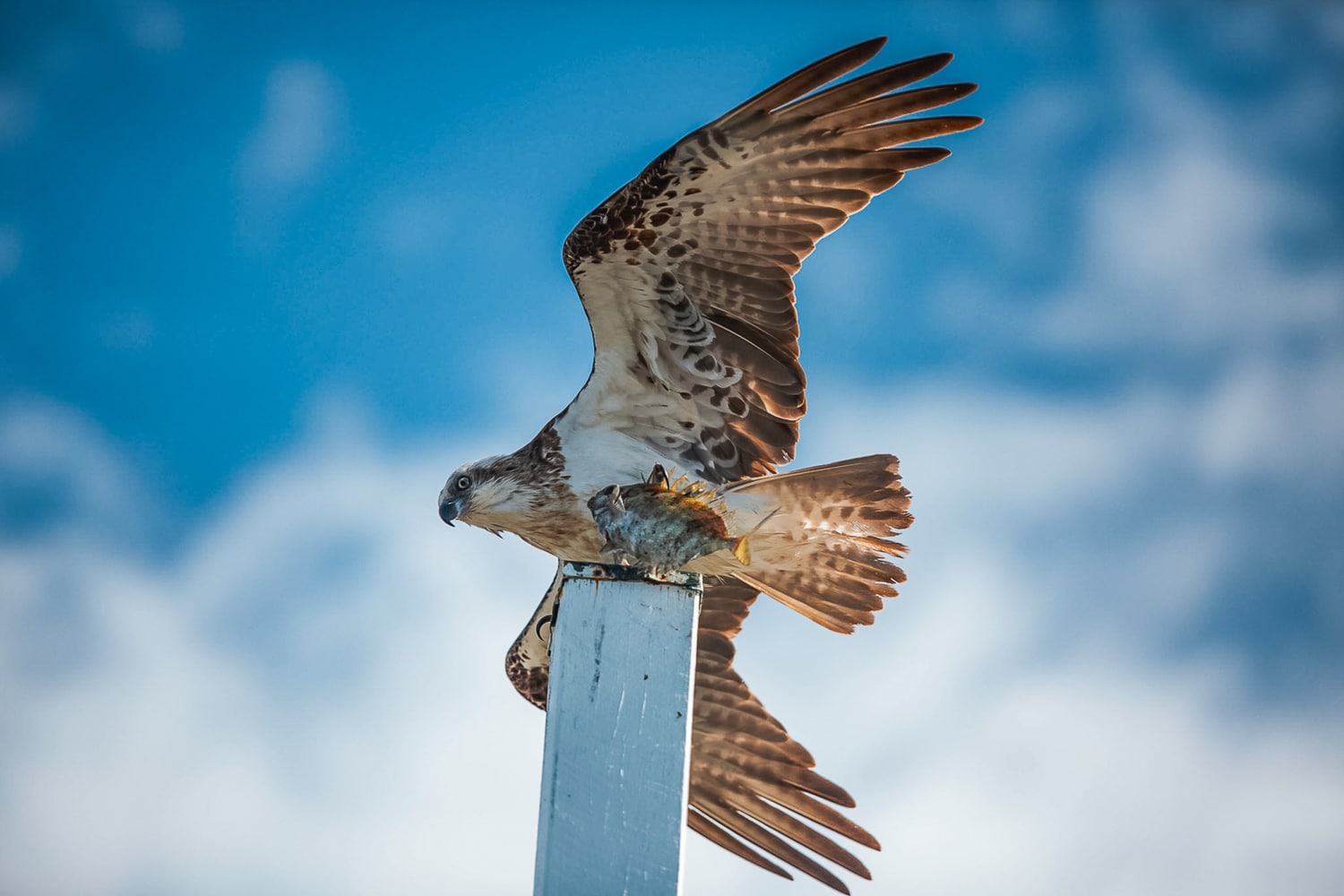
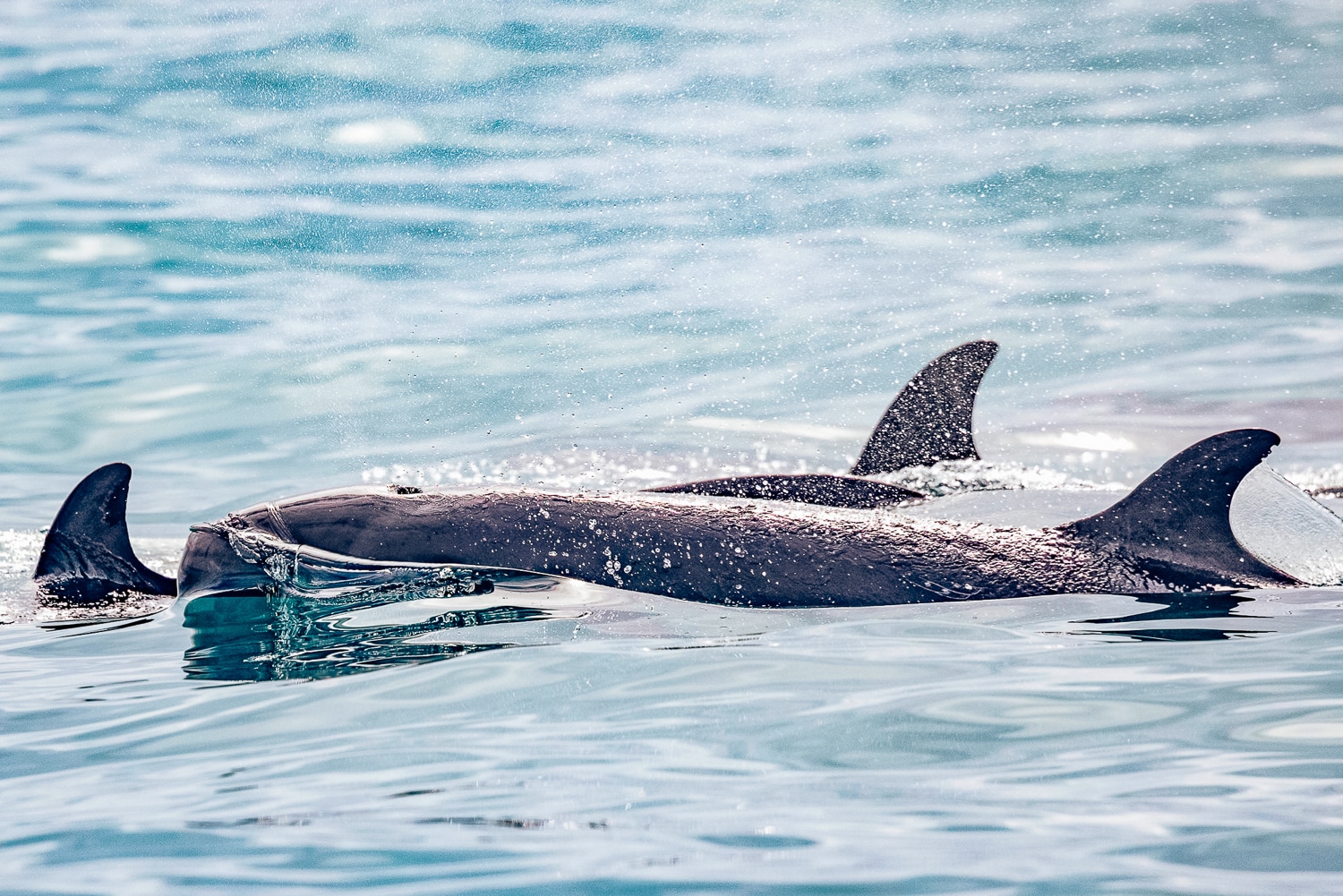
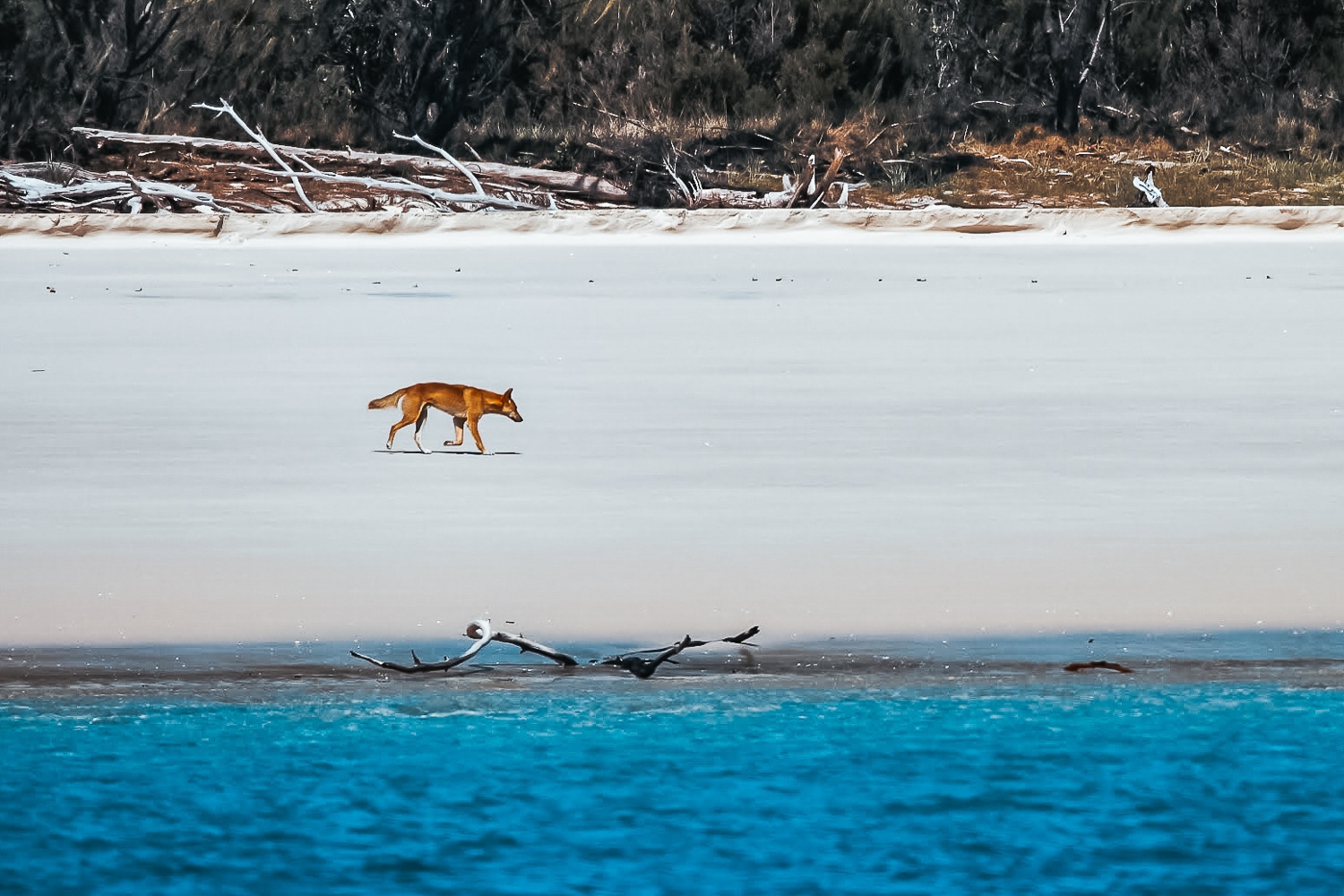
Here, whales linger. Sheltered by K’gari (formerly Fraser Island), the world’s largest sand island, Hervey Bay becomes a vital nursery where mothers rest, calves gain strength, and social behaviors unfold. The region is rich in marine life, including Indo-Pacific dolphins, dugongs, and a wide variety of seabirds, with other whale species also passing through.
What sets Hervey Bay apart is not just the opportunity for close encounters, but the remarkable diversity of wildlife that can be experienced in a single destination.
Whale watching with purpose
Pacific Whale Foundation Australia, through its ecotourism arm PWF Eco-Adventures Australia, continues a model rooted in conservation. As a registered Australian charity, the organization operates with a mission to protect the ocean through science, education, and advocacy, with every tour supporting ongoing research and conservation efforts.
This approach began in the 1980s, when Pacific Whale Foundation scientists pioneered non-invasive whale research and introduced educational whale watches to share their findings and fund their work. That model continues today, combining travel with measurable impact.
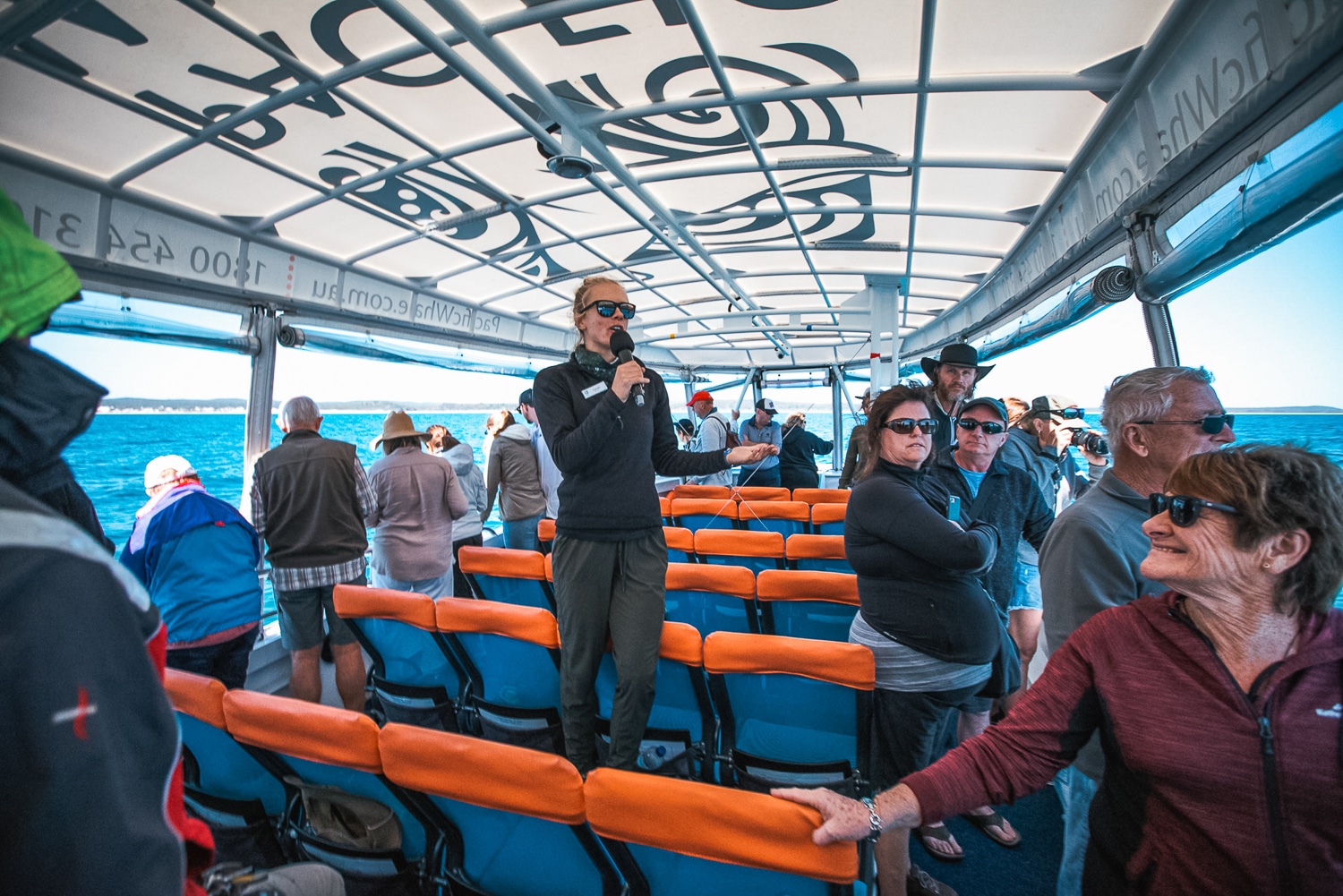
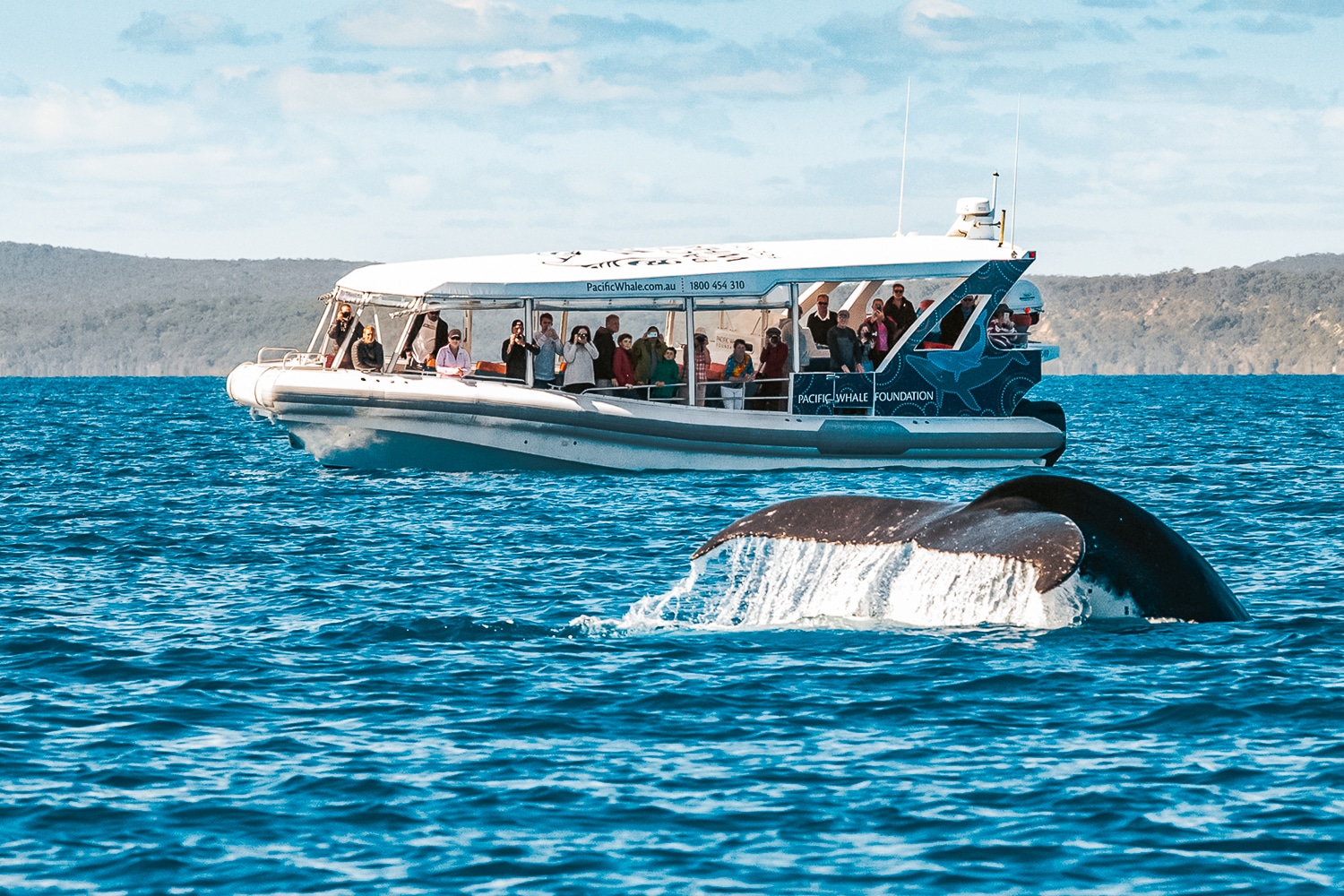
Guests aboard the Ocean Defender, a custom-designed vessel limited to 38 passengers, experience Hervey Bay with space and clarity. Forward-facing seating, shaded decks, and water-level “whale’s eye” views create a direct and immersive connection to the environment.
A global journey worth following
From the sanctuary waters of Maui to the protected coastlines of Hervey Bay, whale watching extends beyond a single destination. It follows one of the planet’s most significant migrations.
Whether experiencing the final weeks of a Hawaiʻi whale watching season or planning for Australia’s peak months, the journey offers a continuous connection across oceans.
Choosing ethical, conservation-focused operators helps ensure whales can be observed without disturbance, allowing them to thrive in their natural habitat while safeguarding the ecosystems that make these encounters possible.
As Maui’s season comes to a close, the whales continue on, leading the way to what comes next.