From Papawai to Lānaʻi, Pacific Whale Foundation’s volunteer divers are hauling recreational fishing debris from Maui’s reefs, one dive at a time.
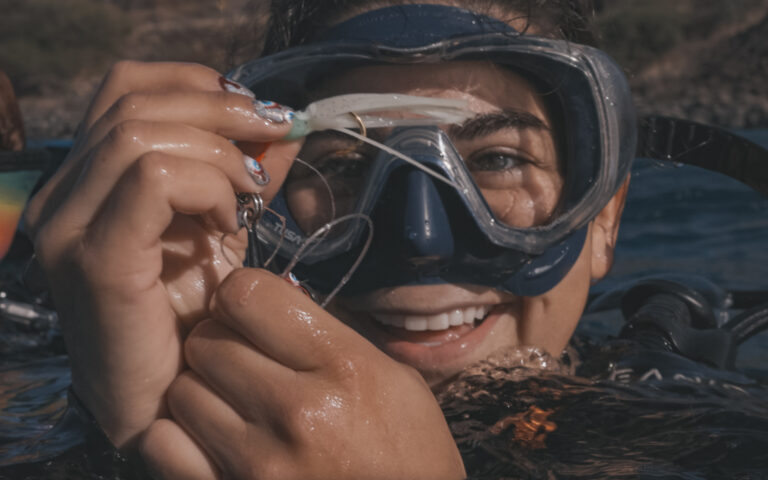
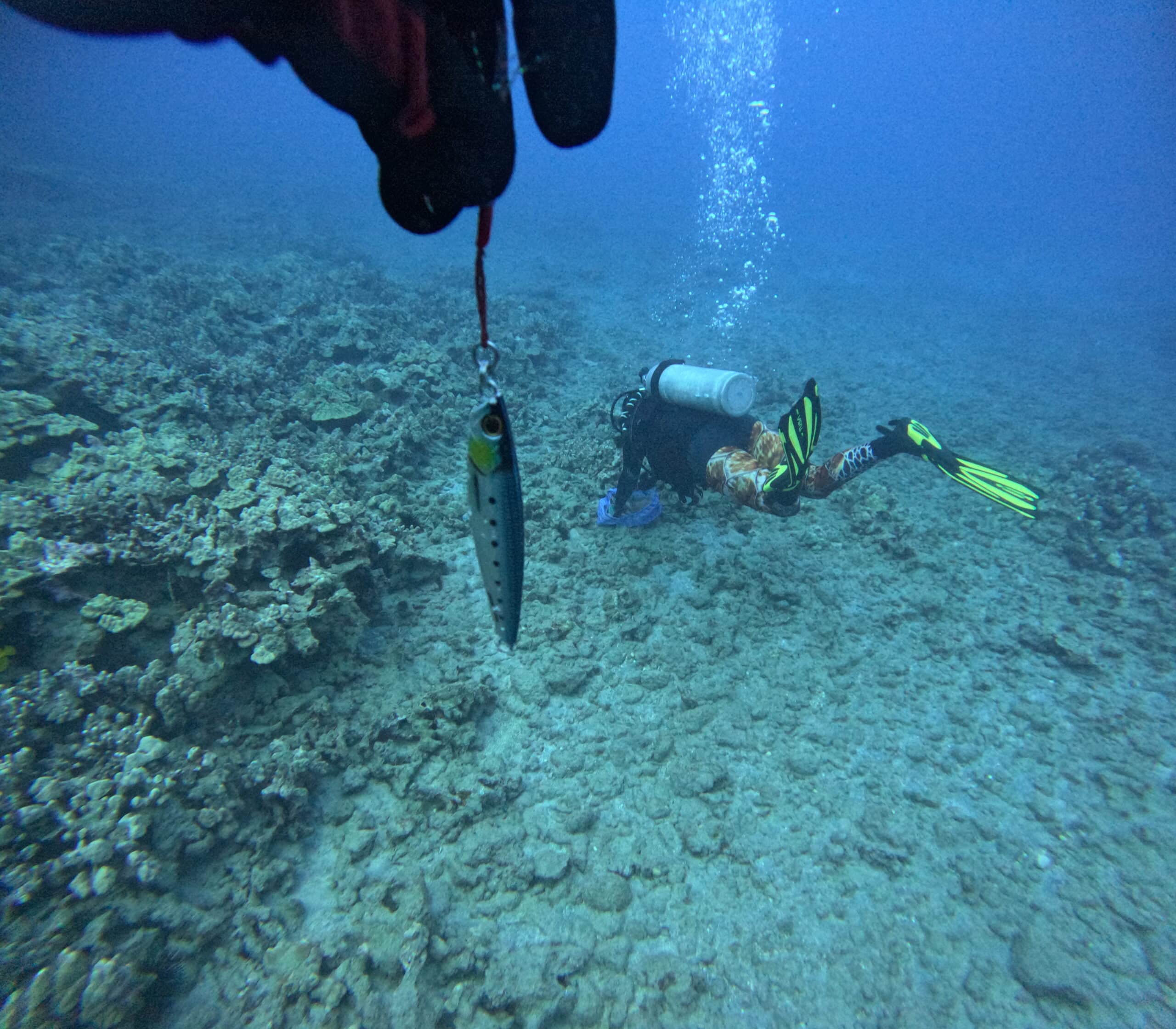
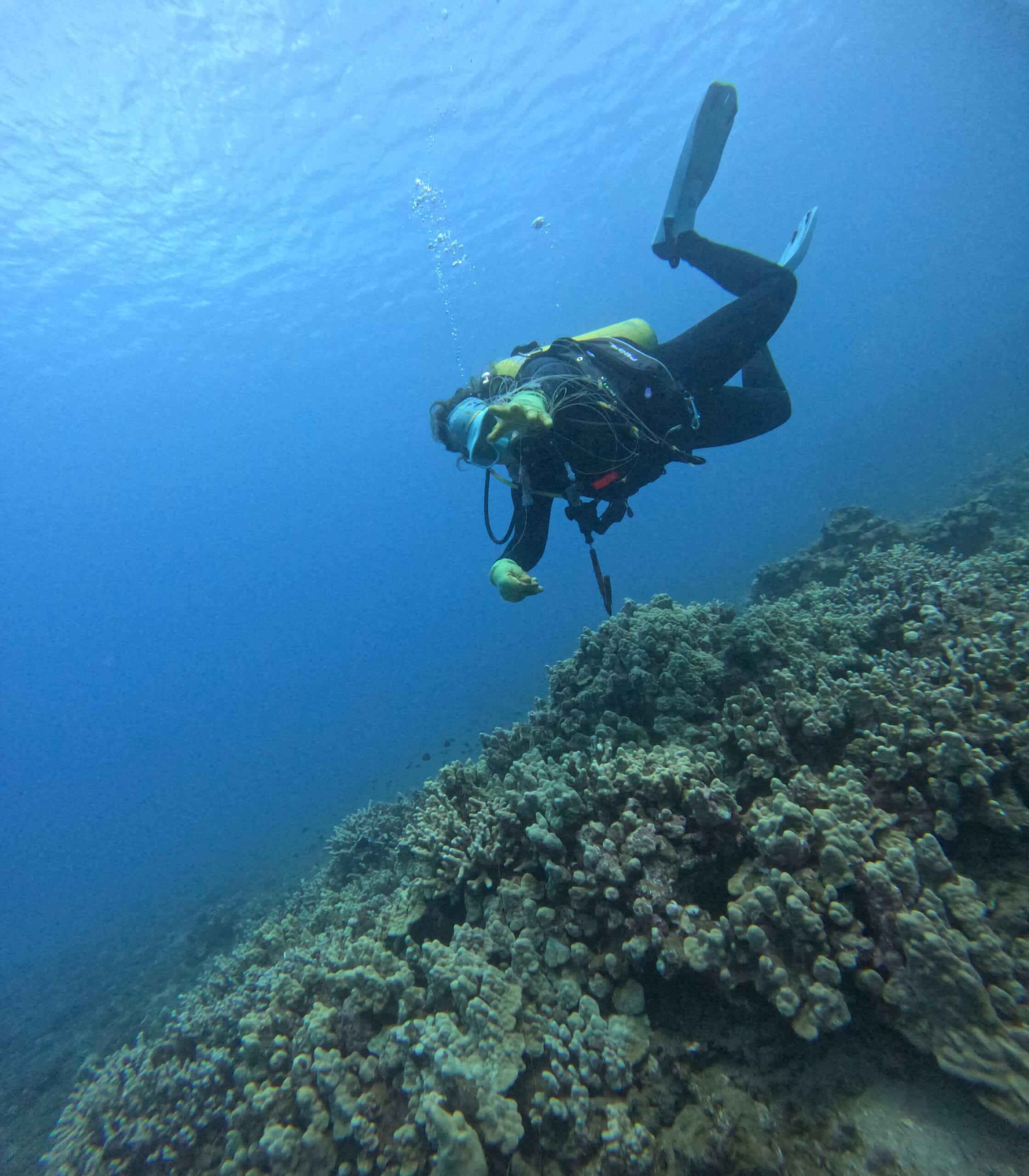
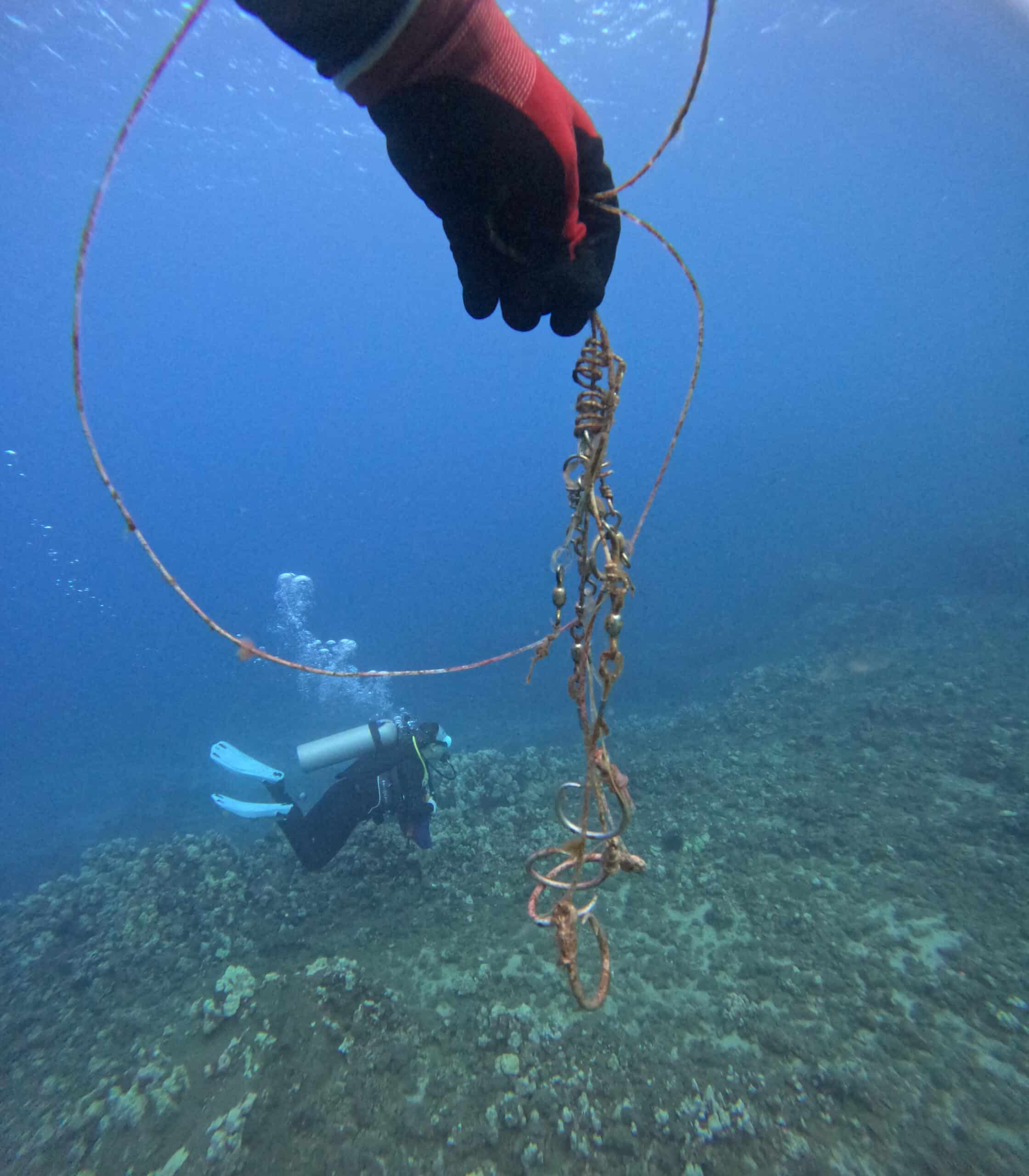
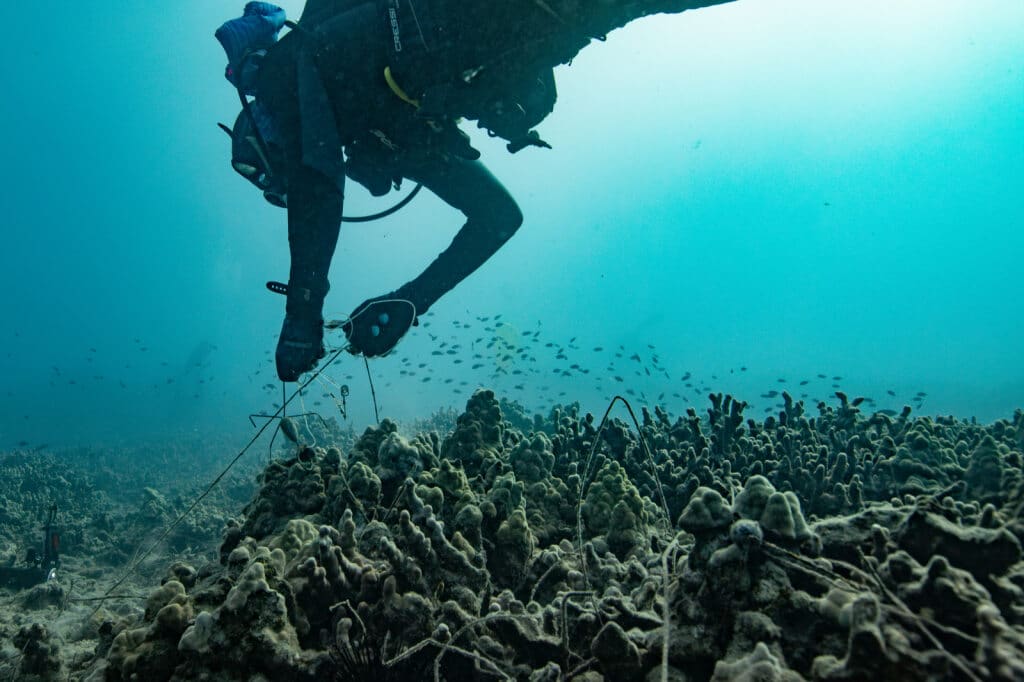
The entry point is a familiar one: Papawai Scenic Lookout on Maui’s south shore, where whale watchers often gather on the cliffs above. But below the surface, a different kind of watching is happening. Pacific Whale Foundation divers descend toward the coral gardens, eyes scanning not for marine life, but for something that shouldn’t be there — tangled fishing line, lead weights, abandoned hooks, and the slow-motion debris fields left behind by lost or discarded recreational fishing gear.
This is the work of PWF’s Reef Cleanup Program: methodical, physically demanding, and quietly critical to the health of the reefs that Maui’s marine ecosystem depends on.
A Milestone in the Making
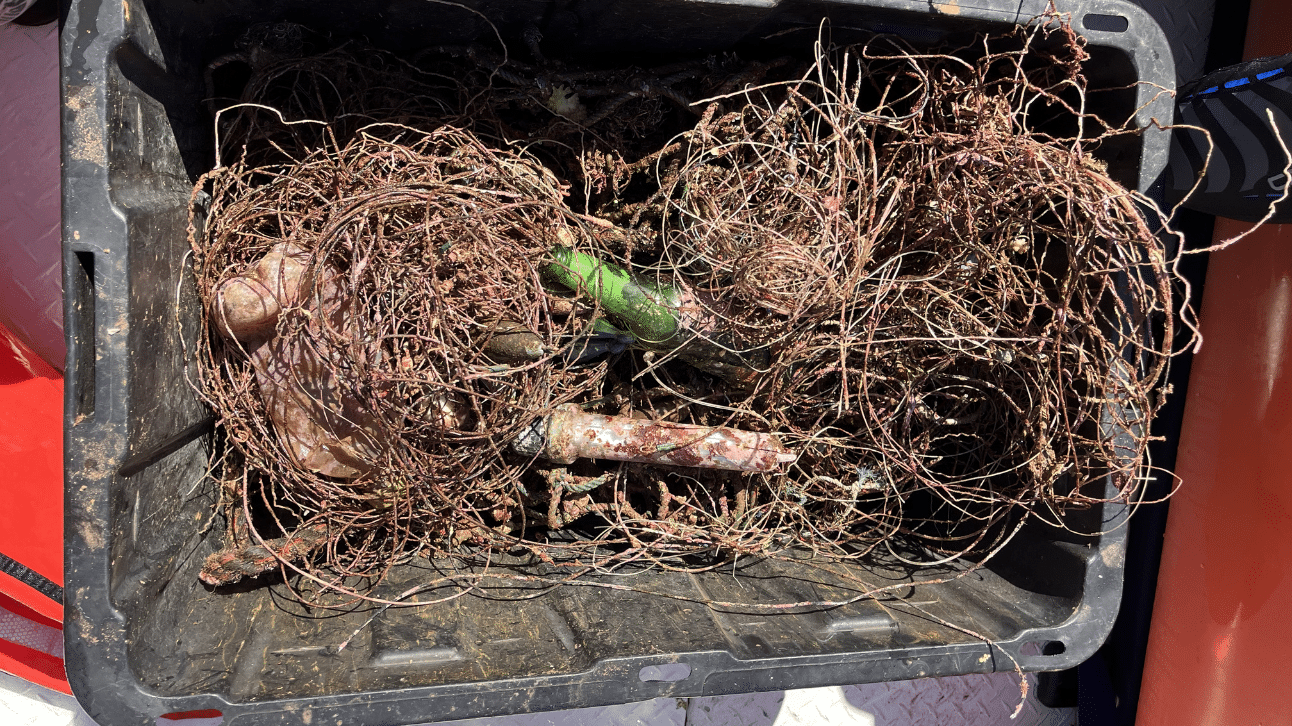
Since February 2, 2024, the PWF Conservation team and its volunteer scuba divers have removed more than 6,200 pounds of debris, mostly consisting abandoned fishing gear from the reefs at Keoneʻōʻio (La Perouse Bay), the Pali and Kaumālapaʻu Harbor on Lānaʻi. That’s over 6,200 pounds of fishing line, lead weights, metal hooks, and other hazards — gone from the reef, and out of the reach of the sea turtles, fish, and invertebrates that call it home.
Reaching that milestone didn’t happen in a single dive. It happened cleanup by cleanup, in the coral gardens off Keoneʻōʻio, in the complex terrain around Lānaʻi, and at sites the team is still mapping and surveying. Each trip adds to the total and reveals just how much work remains.
April: Three Trips, 552 Pounds Removed
April brought three back-to-back cleanup dives and a significant geographic expansion for the program.
On April 14, the team traveled to Kaumālapaʻu on Lānaʻi for the first time. The site survey turned up 218 pounds of debris, primarily recreational fishing gear. Two weeks later, on April 27, the team returned to Lānaʻi to push deeper into the survey area — navigating more complex terrain and removing an additional 74 pounds, mostly bundles of fishing line.
In between, on April 20, the team returned to Keoneʻōʻio after a two-month gap in access. The reef held both newly discarded fishing gear and older debris still being worked through from previous surveys. A reminder that cleanup is not a one-time event. That dive yielded 260 pounds.
Total for April: 552 pounds removed. Mahalo to every volunteer diver and sorting-day volunteer who made those trips and documenting data possible.
Why Recreational Fishing Gear?
Most people picture ghost nets and commercial trawl debris when they think of marine debris. But around Maui’s nearshore reefs, recreational fishing gear — monofilament line, weighted rigs, hooks — makes up a substantial share of what the team finds. It’s design can easily snag on coral and rocky bottom substrate, and persistent enough to outlast the fish it was meant to catch by decades.
Entanglement in lost gear is a documented threat to Hawaiian green sea turtles (honu), reef fish, and other marine life. Removing it before it causes more damage to the reef or wraps around inhabitants of the reef is precisely the kind of intervention that makes a measurable difference.
Support That Makes It Possible
The Reef Cleanup Program has been made possible in part through a grant from the County of Maui Environmental Protection & Sustainability (EP&S) Division. That grant wraps up at the end of June 2026. A meaningful milestone that marks the end of one chapter and, the team hopes, the beginning of the next.
PWF has applied for continued funding to keep the program running and to expand work on innovative debris-removal solutions. In the meantime, the dives keep happening because the reef doesn’t wait.
Mahalo to the County of Maui EP&S Division for their continued support in this program and all programs that benefit the safe keeping of our marine environments.
Join Us in June
Five reef cleanup dives are scheduled for this month. Join the team for debris sorting after the dives to help us categorize and separate debris for appropriate recycling. The next sorting day is June 16, 11am–2pm.
June Dive Schedule:
June 12, 15, 19, 22, 24
Every pair of hands involved makes a difference. We’d love to see you there.