A new study co-led by Pacific Whale Foundation has documented the longest ocean crossings ever recorded for individual humpback whales, and it started with a single photo of a tail.
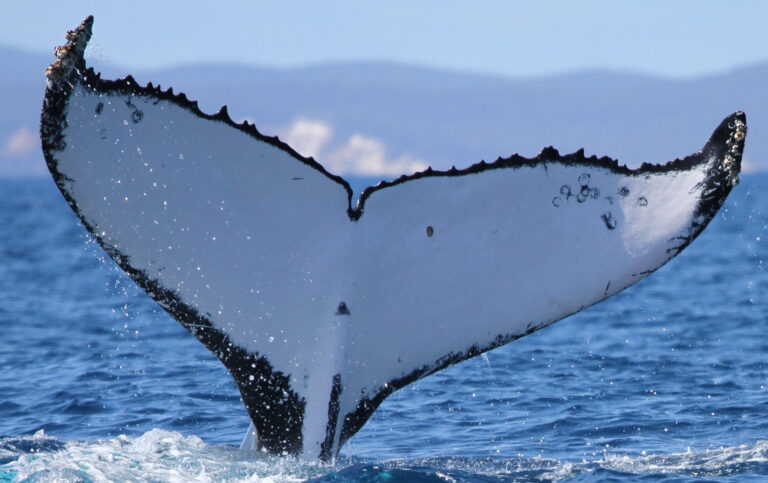
In September 2025, a humpback whale surfaced in Hervey Bay, Queensland — one of Australia’s most celebrated whale-watching destinations. Researchers photographed its tail flukes, as they do with every whale they encounter, and uploaded the image for comparison against known catalogues. What the algorithm found stopped the team cold.
That same whale had been photographed before — not in Australian waters, but off the coast of Bahia, Brazil. The first photo was taken in 2003. Twenty-two years had passed. And between those two moments, this animal had crossed more than 15,100 kilometres of open ocean.
It is the longest distance ever documented between sightings of the same individual humpback whale, anywhere in the world.
A Fingerprint in the Tail
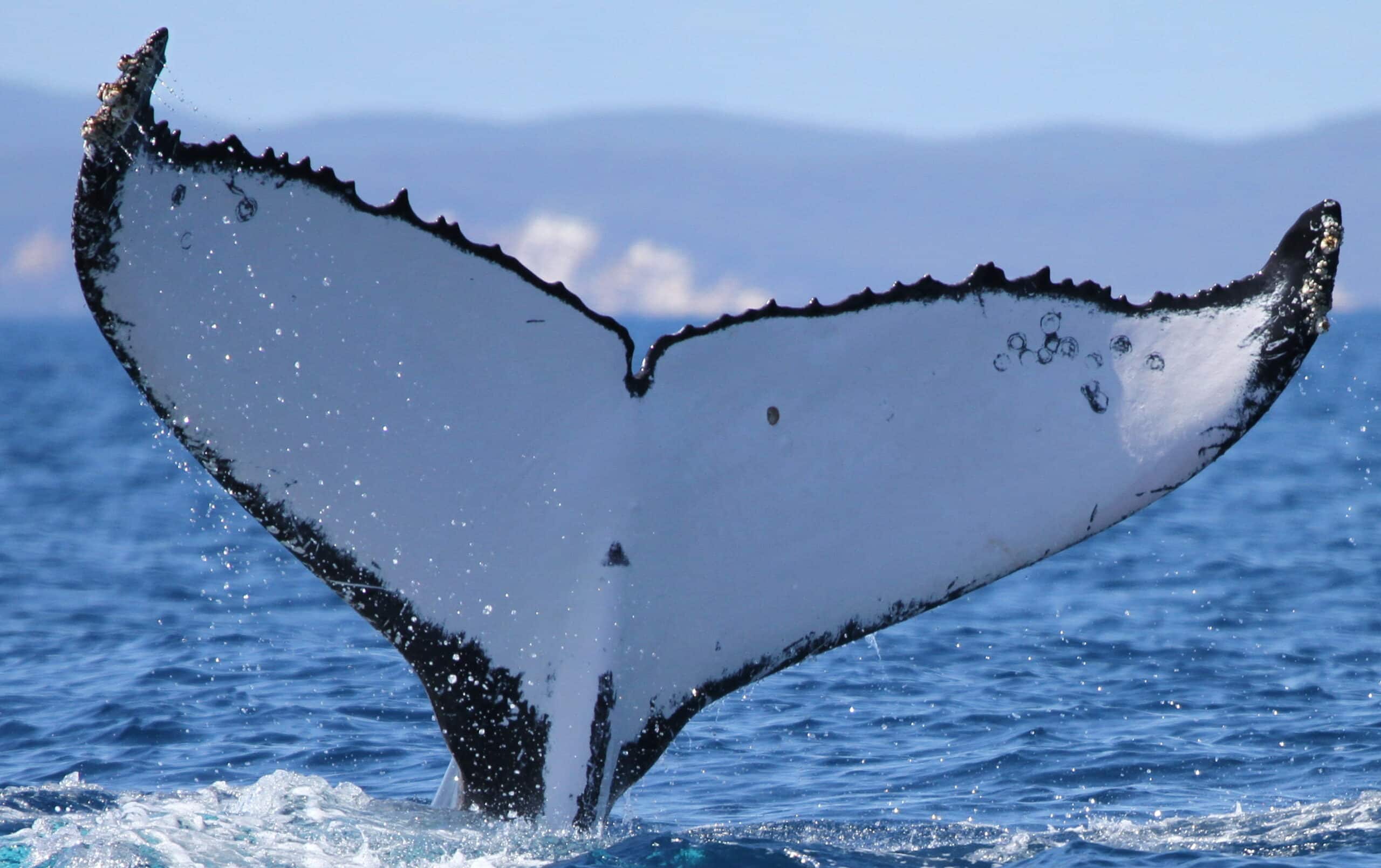
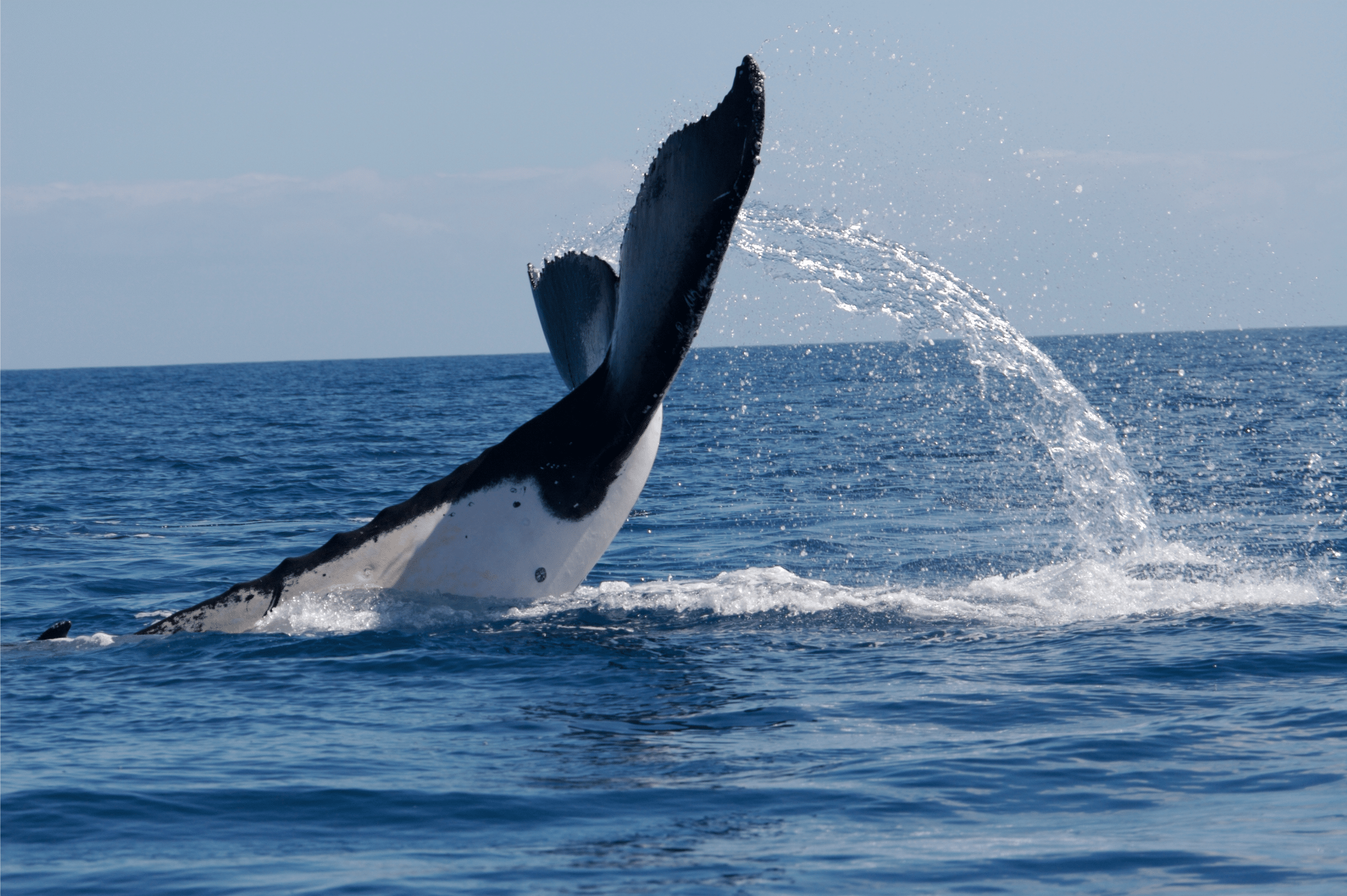
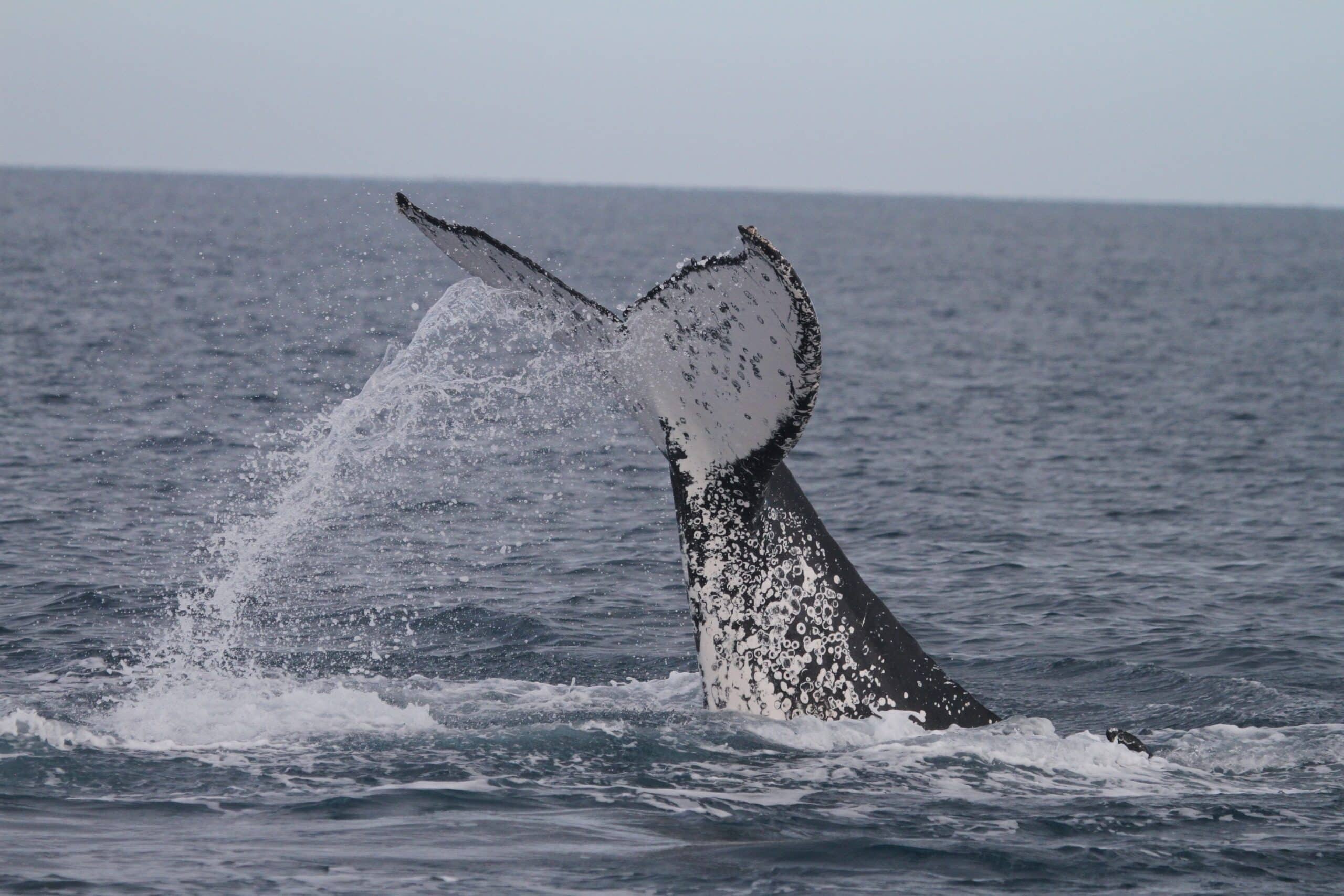
Every humpback whale carries a unique identity on the underside of its tail flukes — a pattern of pigmentation and scarring as distinctive as a human fingerprint. For decades, researchers have been photographing these flukes and building catalogues, region by region, that allow individual animals to be recognized across time and space.
The study, published in May 2026 in Royal Society Open Science, drew on 19,283 high-quality fluke photographs collected between 1984 and 2025 from eastern Australia and Latin America. These images were contributed by scientists and citizen scientists alike through Happywhale, a global photo-identification platform that aggregates whale records from around the world. An automated image-recognition algorithm scanned for potential matches; every hit was then verified by eye.
Out of nearly 20,000 individuals in the dataset, two whales had made the crossing between Australia and Brazil — in both directions.
Two Whales, Two Records
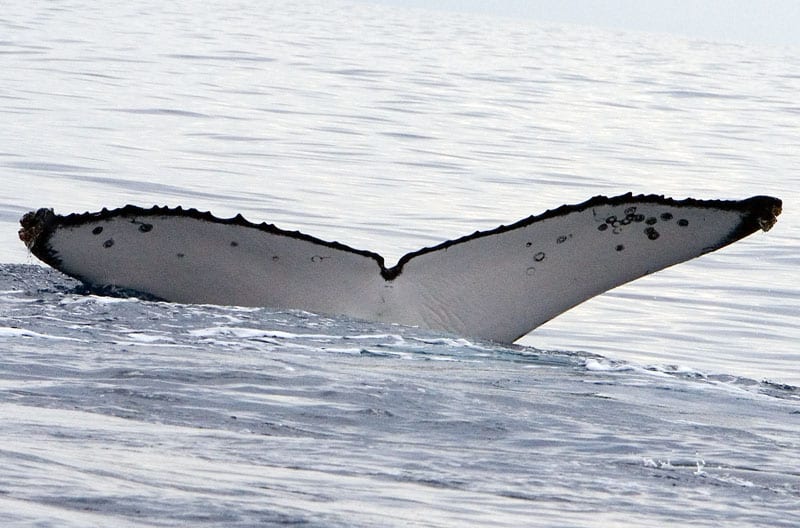
The first whale was photographed in Hervey Bay, Queensland in 2007 and again in 2013 — then appeared off the coast of São Paulo, Brazil in 2019. The straight-line ocean distance between the two breeding grounds: approximately 14,200 kilometres, roughly the distance from Sydney to London.
The second whale made the journey in reverse. First recorded in 2003 at the Abrolhos Bank — Brazil’s main humpback nursery off Bahia, in a boisterous group of nine adults — it was spotted alone in Hervey Bay in September 2025. The 15,100-kilometre gap between those sightings sets a new global record, surpassing the previous longest-documented individual humpback movement by 15%.
Because researchers only captured where each whale started and where it ended up, the actual routes taken — and therefore the true distances swum — remain unknown. The true journeys may be far longer.
Why Rare Crossings Matter for the Whole Population
Humpback whales are famously faithful to their breeding grounds. Year after year, they return to the same regions to mate and give birth. Finding animals that have switched between populations on opposite sides of the planet is, by any measure, extraordinary. In over four decades of data, only two such whales were identified from nearly 20,000 individuals — a rate of just 0.01 percent.
But rare does not mean unimportant. Occasional long-distance movers can carry genetic diversity between populations that would otherwise be reproductively isolated. They may also transport new song styles: humpback whale songs are known to spread culturally across ocean basins, much the way music trends move through human communities. A single whale arriving from a distant population can seed an entirely new vocal tradition.
The findings also lend support to what scientists call the “Southern Ocean Exchange” hypothesis: the idea that humpback whales from different breeding populations occasionally meet on shared Antarctic feeding grounds, and that some individuals then follow a different migration route home — ending up, perhaps permanently, in a new breeding region. As climate change reshapes the Southern Ocean, shifting sea ice and the distribution of Antarctic krill (the whales’ primary prey), these rare crossings may become more frequent.
“Discoveries like this are only possible because of investment into long-term multi-decadal research programmes and international collaboration. These whales were photographed decades apart, by different people, in different parts of the world, and yet we can connect their journey”
– Stephanie Stack, Griffith University, co-lead author
Your Photo Could Be the Next Piece of the Puzzle
This study would not exist without citizen scientists. The Happywhale platform, which aggregates photo-identification records from researchers and members of the public worldwide, was central to making the cross-catalogue comparisons possible. The Brazil-to-Australia whale was first photographed by someone on a boat in 2003. Twenty-two years later, someone else photographed it in Australia. Neither knew, in that moment, that they were documenting half of a record-breaking journey.
“This kind of research highlights the value of citizen science. Every photo contributes to our understanding of whale biology and, in this case, helped uncover one of the most extreme movements ever recorded.”
– Cristina Castro, Pacific Whale Foundation, co-lead author
The research team — spanning Australia, Brazil, Ecuador, and the United States — is calling for continued collaboration through global photo-identification platforms as the most practical way to detect and track these rare but significant inter-ocean connections. The more photographs that enter the global catalogue, the more complete the picture of where whales go and why.
What You Can Do
Studies like this one take decades to complete — because whales live on a timescale that demands patience, persistence, and sustained investment. The photograph taken in Brazil in 2003 only became meaningful when matched to a photograph taken in Australia in 2025. That 22-year arc required continuous funding, international partnerships, and the contributions of countless researchers and citizen scientists along the way.
Your support helps PWF maintain the kind of long-term research programs that make discoveries like this possible — not just today, but over the decades it takes to truly understand how whales move through our ocean.