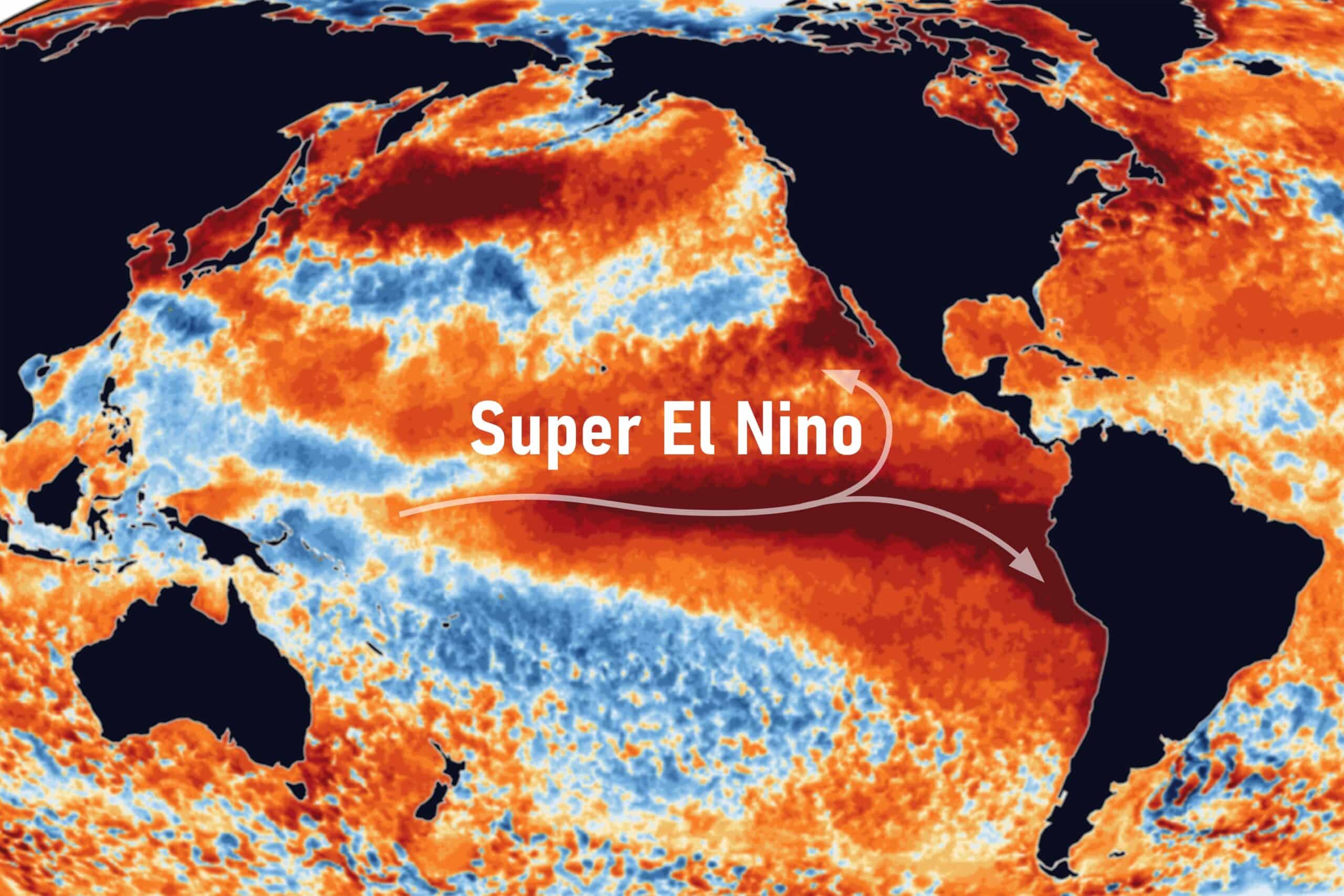
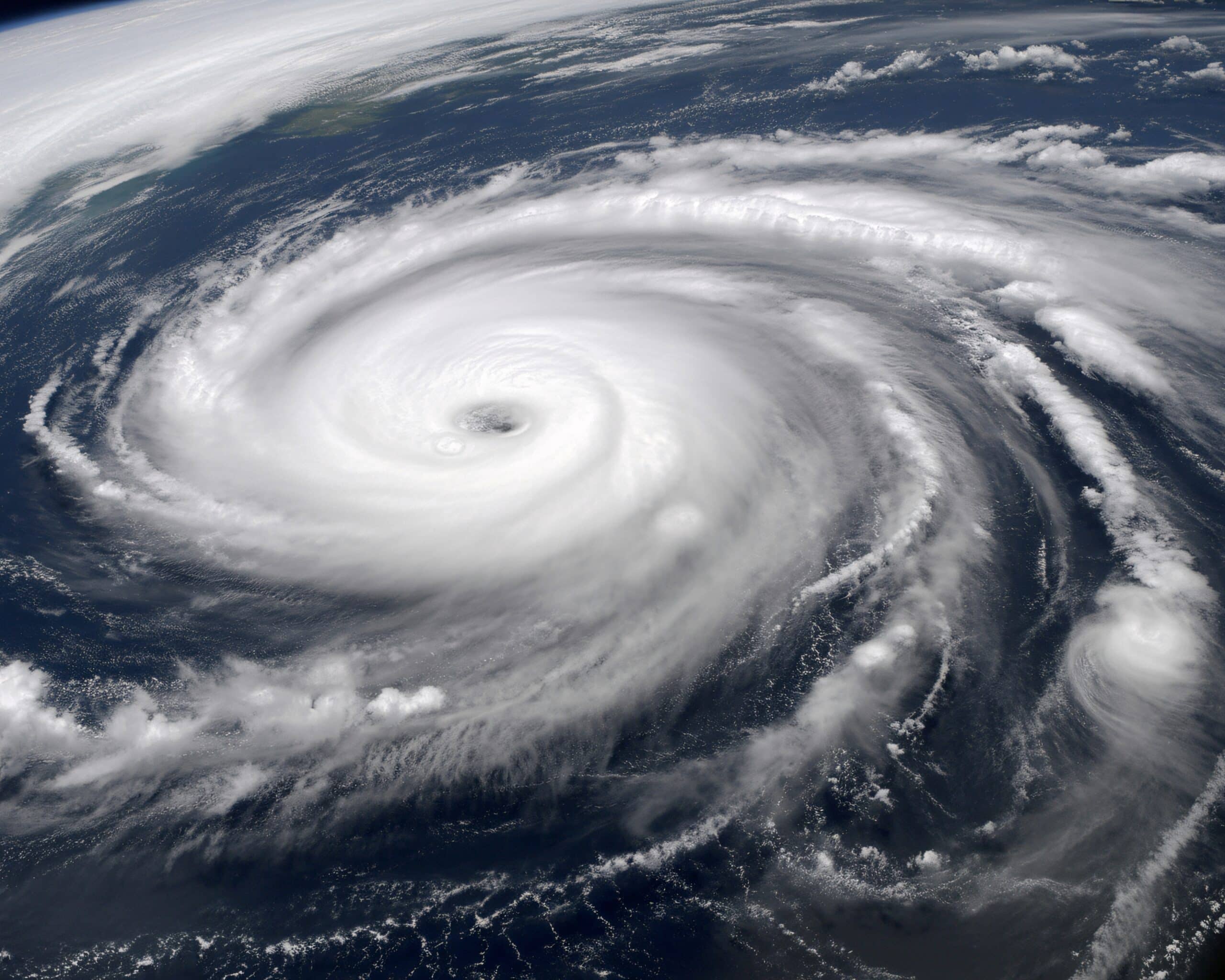
The Pacific is heading into what could be the strongest El Niño on record. In its October 8 update NOAA’s Climate Prediction Center put the odds at 83% that this October through December beats every el Niño since 1950 [1]. As the Pacific warms, it shifts weather and climate patterns around the globe.
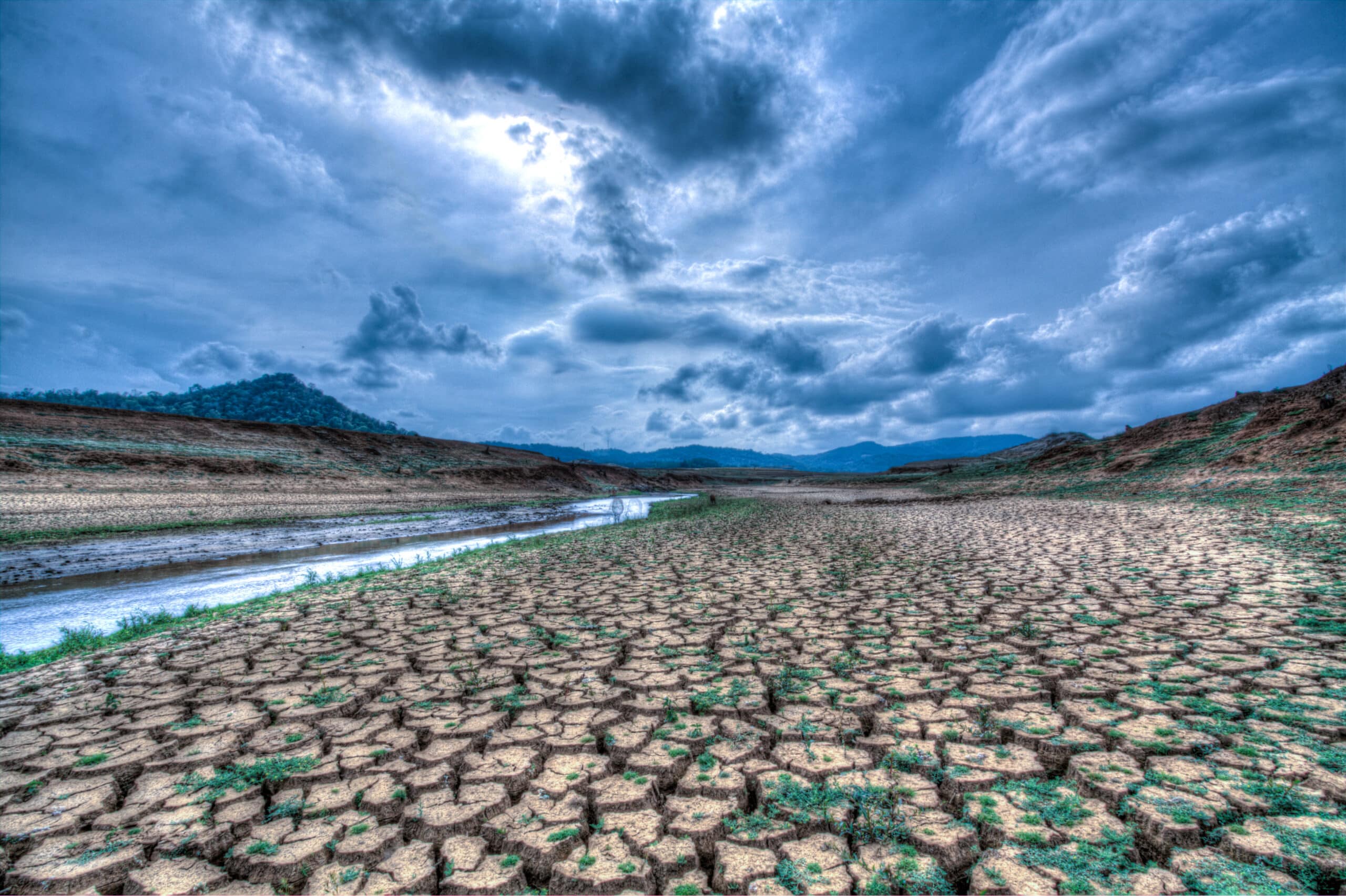
We’ve been hearing about this “super El Niño,” but most of the coverage focuses on weather on land: storms, floods, drought. For the whales and dolphins, we study, the bigger story is happening underwater. What we have discovered is extremely impactful for all habitats across the pacific.
What is a super El Niño?
El Niño is a natural climate pattern. Normally, steady trade winds blow from east to west across the tropical Pacific and pile warm surface water up near Indonesia and Australia. During El Niño, those winds weaken and the warm water slides back east toward South America.
“Super El Niño” isn’t an official term. It’s shorthand for the strongest events, like 1997 to 1998 and 2015 to 2016. This one is on track to beat them.
- Record ocean heat. On August 22 the average sea surface temperature across the world’s oceans, outside the polar regions, hit 21.1°C (70°F) the highest ever recorded according to Europe’s Copernicus Climate Change Service [2]
- A hot core. By early October, parts of the eastern equatorial Pacific were more than 4°C (7°F) above normal, and the key monitoring region was running 2.1°C above average [1]
- Historic odds. NOAA gives an 83% chance that this fall beats every El Niño since 1950, and expects strong to very strong conditions into early 2027 [1]
Where climate change comes in
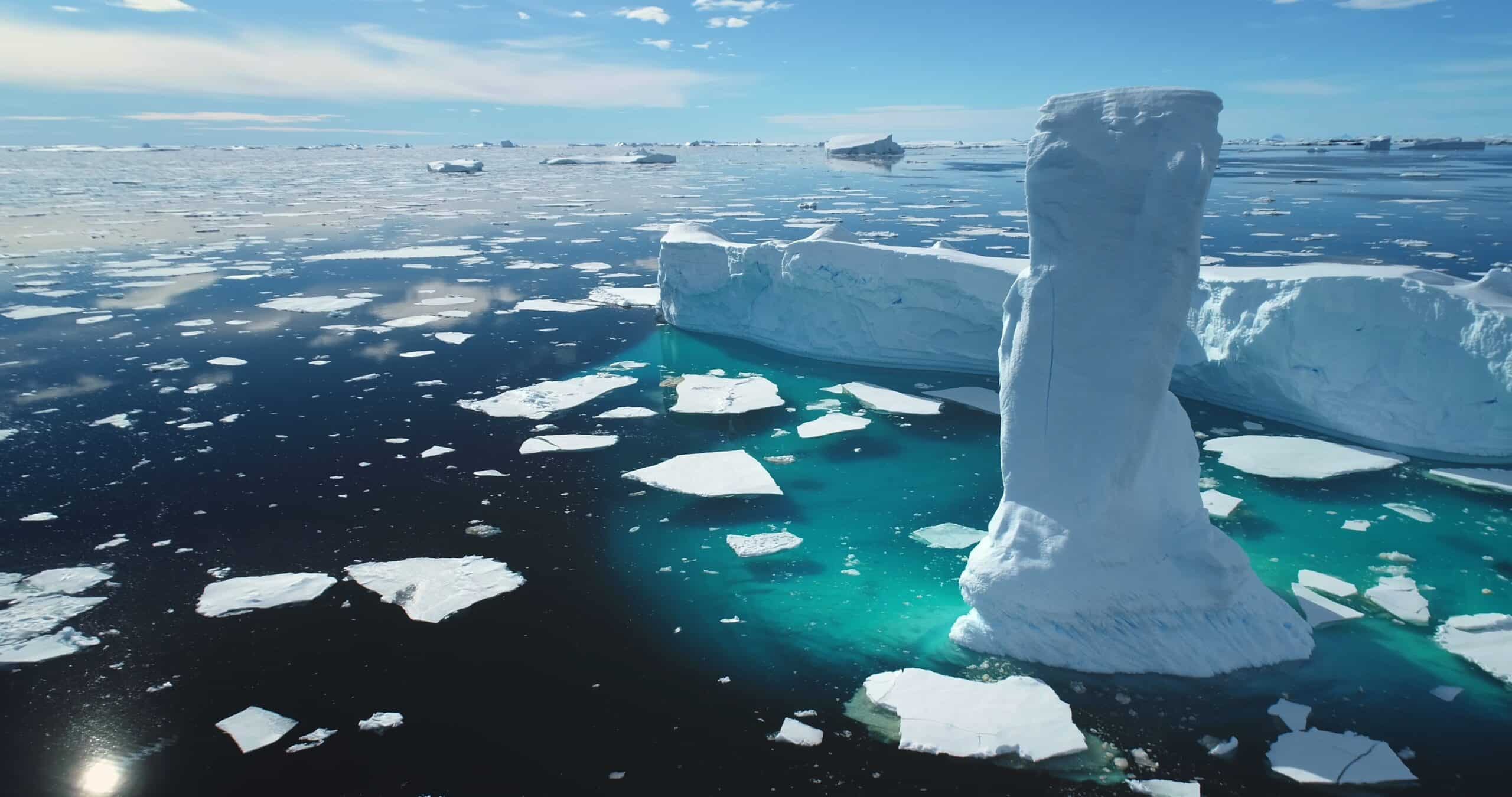
Think of El Niño as a wave and climate change as the tide. The wave is natural. It has always come and gone. But the tide keeps rising, so every wave now breaks higher than the last.
That’s what scientists are seeing. Copernicus said the August record happened because El Niño added its heat on top of decades of warming caused by people [2]. Underneath that, a 2023 review led by climate scientist Wenju Cai found it is highly likely that greenhouse gases have already made the swings between El Niño and La Niña up to 10% stronger since 1960 [3]. Strong events are showing up more often, and models project another 15 to 20% increase this century if emissions stay high [4
Warming makes El Niño’s effects worse. Storms bring more rain, and droughts last longer [4]. In the ocean, marine life is already under stress before El Niño shows up.
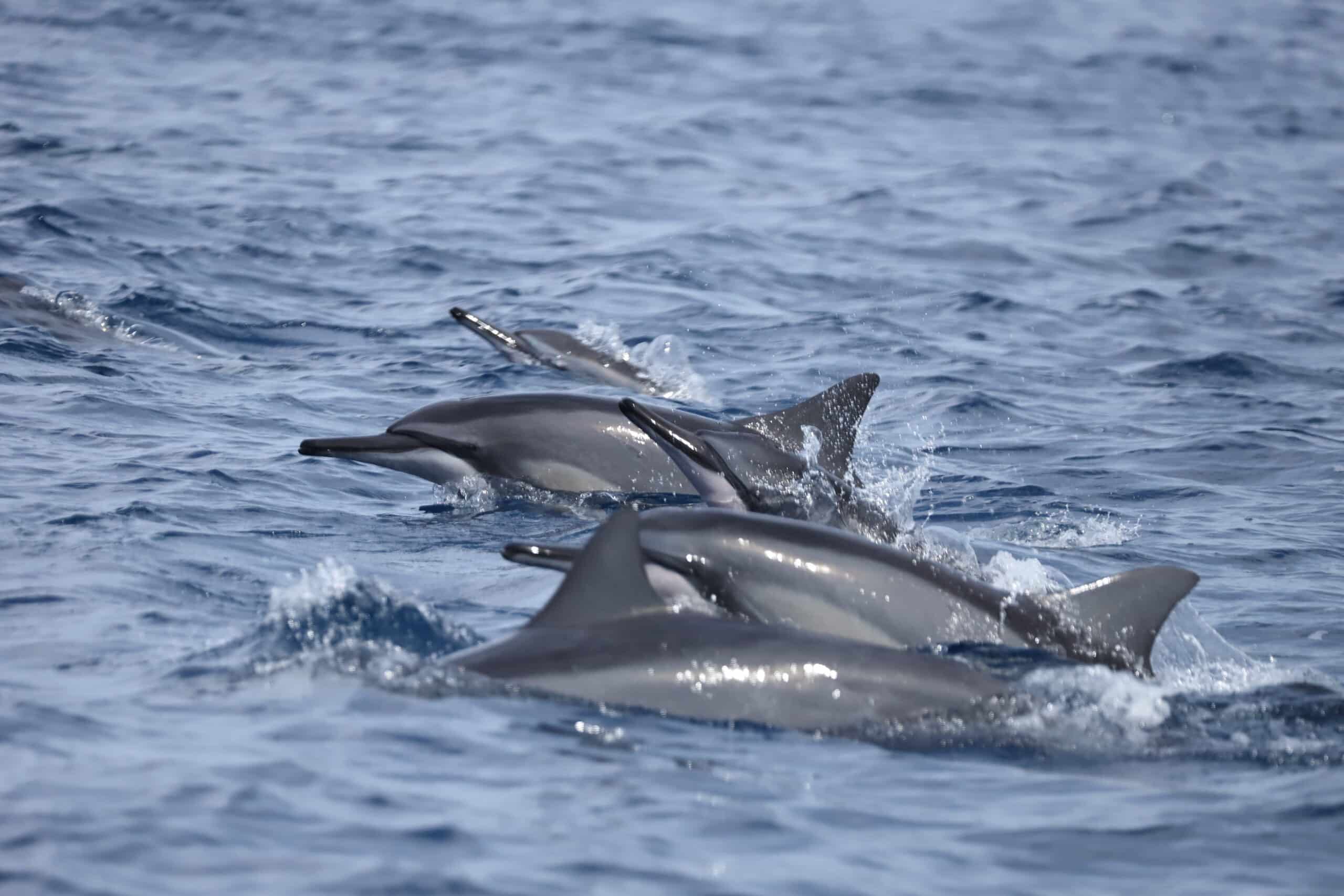
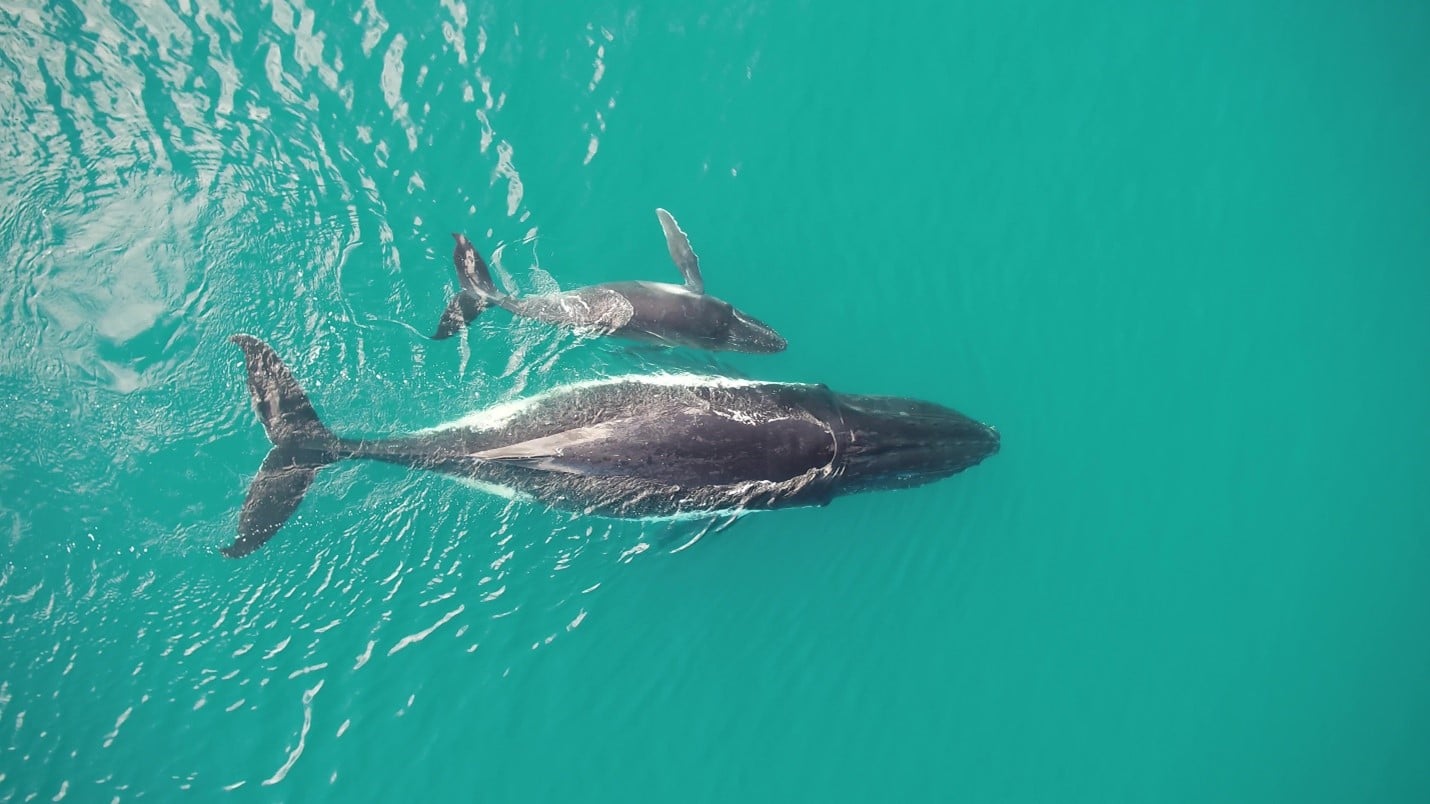

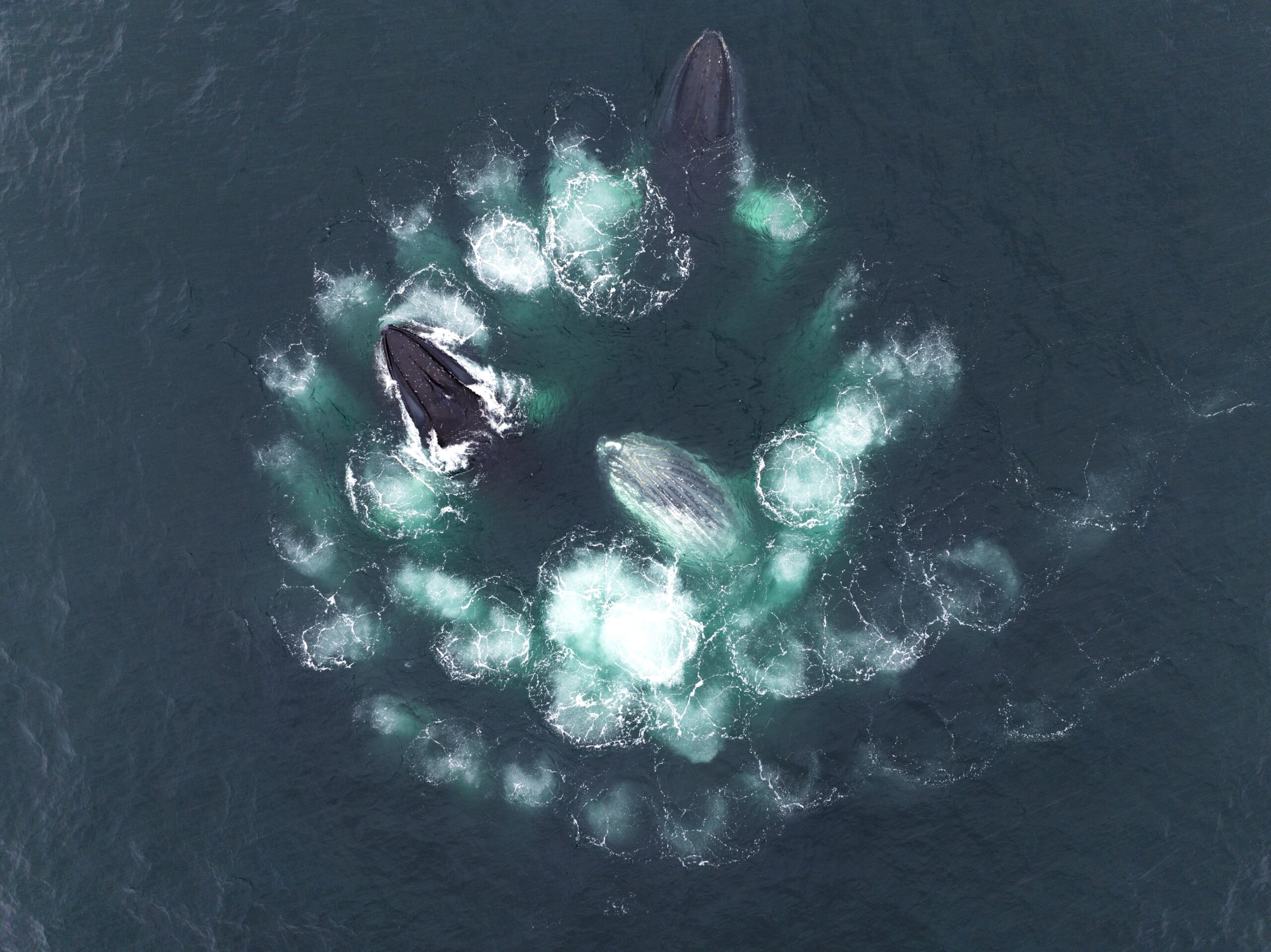
How it affects whales and dolphins
Whales and dolphins don’t mostly feel El Niño as warm water. They feel it as hunger. A clycle known a climate driven bottom-up forcing.
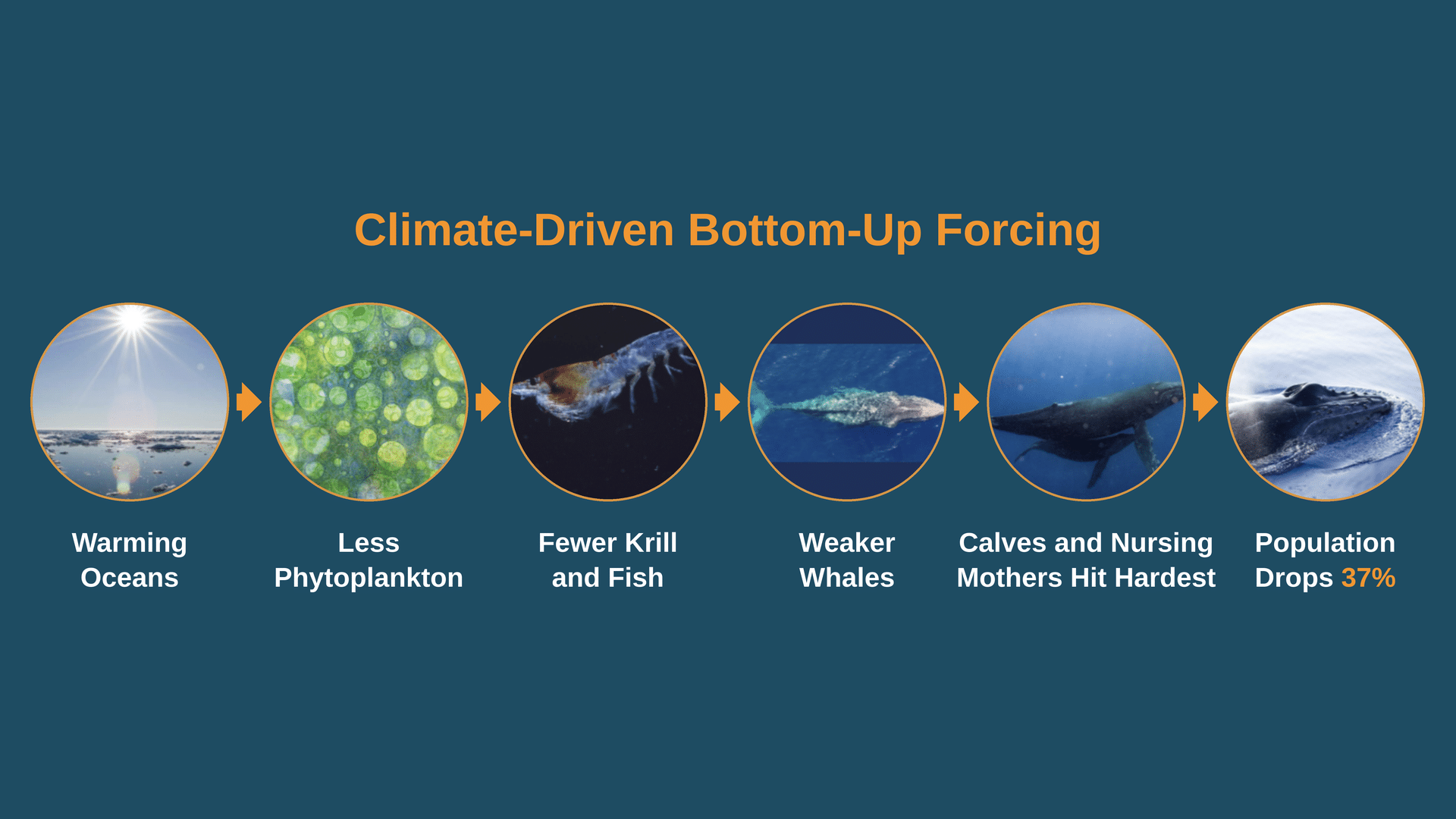
Less Upwelling = Less Food
In a normal year, wind pushes surface water aside and cold water rises from the deep to replace it. That’s upwelling. The cold water carries nutrients, which feed phytoplankton, the tiny plants at the base of the food web. Krill and small fish eat the phytoplankton. Whales and dolphins eat the krill and fish.
El Niño slows that natural cycle down. Weaker winds and a thicker warm layer at the surface keep nutrients from reaching sunlit water. NASA’s PACE satellite has already seen it. In June 2026 phytoplankton levels across the central equatorial Pacific had dropped well below the year before and NASA expects the gap to spread as El Niño builds [5].
Weaker Animals
Less food means thinner vulnerable whales. During the 2014 to 2016 marine heatwave, which overlapped with the last super El Niño, researchers in Glacier Bay, Alaska, watched calves vanish and adults go missing. Calf survival there dropped from about 40% to 3% [6]. Off California, as many as 4,000 starving sea lion pups washed up on beaches [7]
Shifting Migrations
When the food moves, the animals move with it. Off central California, the timing of humpback and blue whale arrivals shifted with ocean and climate conditions and humpbacks began showing up earlier in the season [8]. In Hawaiʻi, reports of unusually low whale numbers began in the 2015 to 2016 season (See the Great Whale Count numbers) Underwater recordings off Maui caught the drop with the sound energy of humpback song falling by more than half [9].
Fewer Calves
A humpback mother has to carry a full year of pregnancy and then nurse her calf while fasting. If she can’t build enough fat, she may not breed at all. Between 2013 and 2018, encounter rates for mothers and calves in Maui’s ʻAuʻau Channel fell 76.5% a decline the researchers tied to the heatwave, a warm phase of the Pacific Decadal Oscillation and the 2015 to 2016 El Niño together [10]
What this means for Hawaiʻi
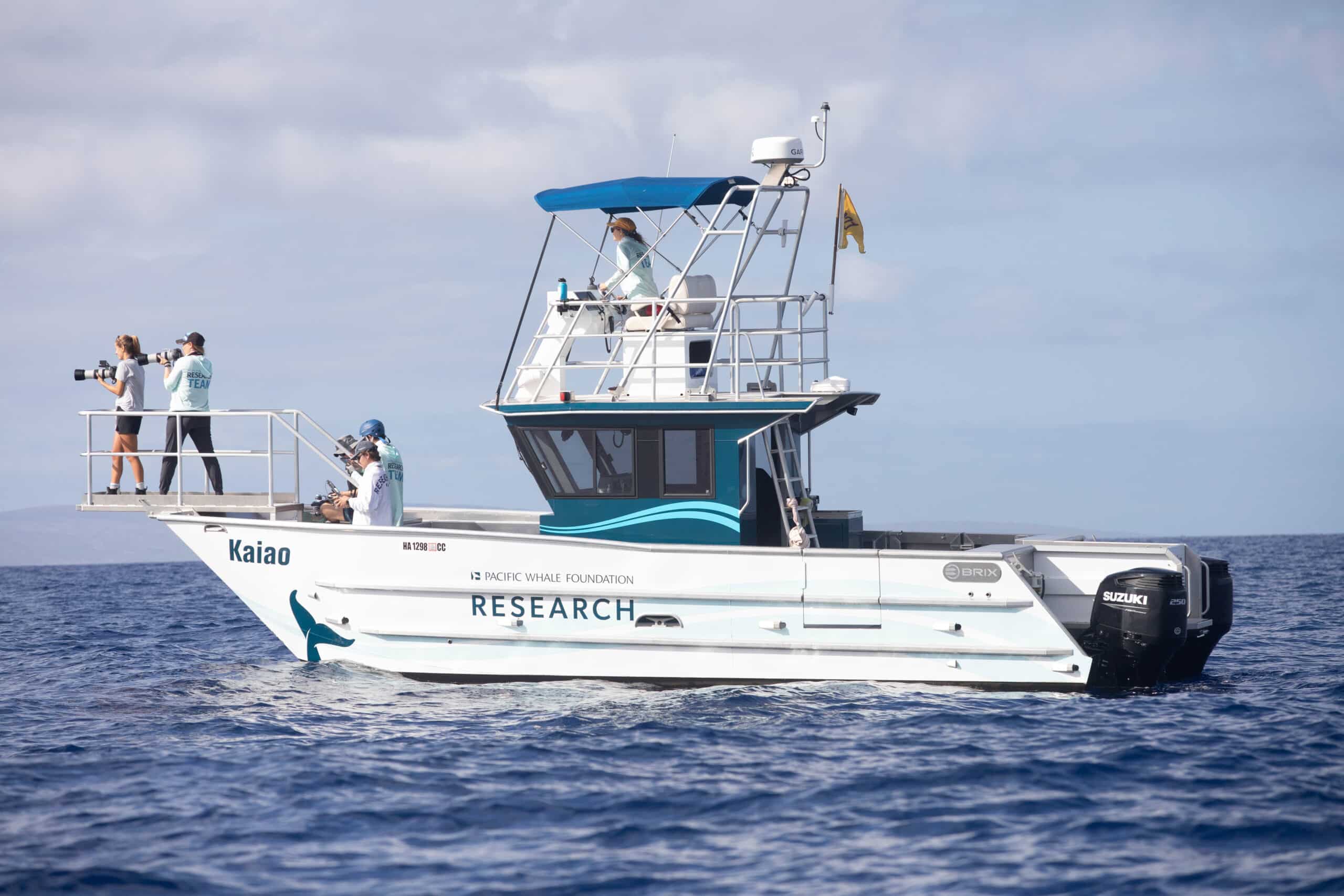
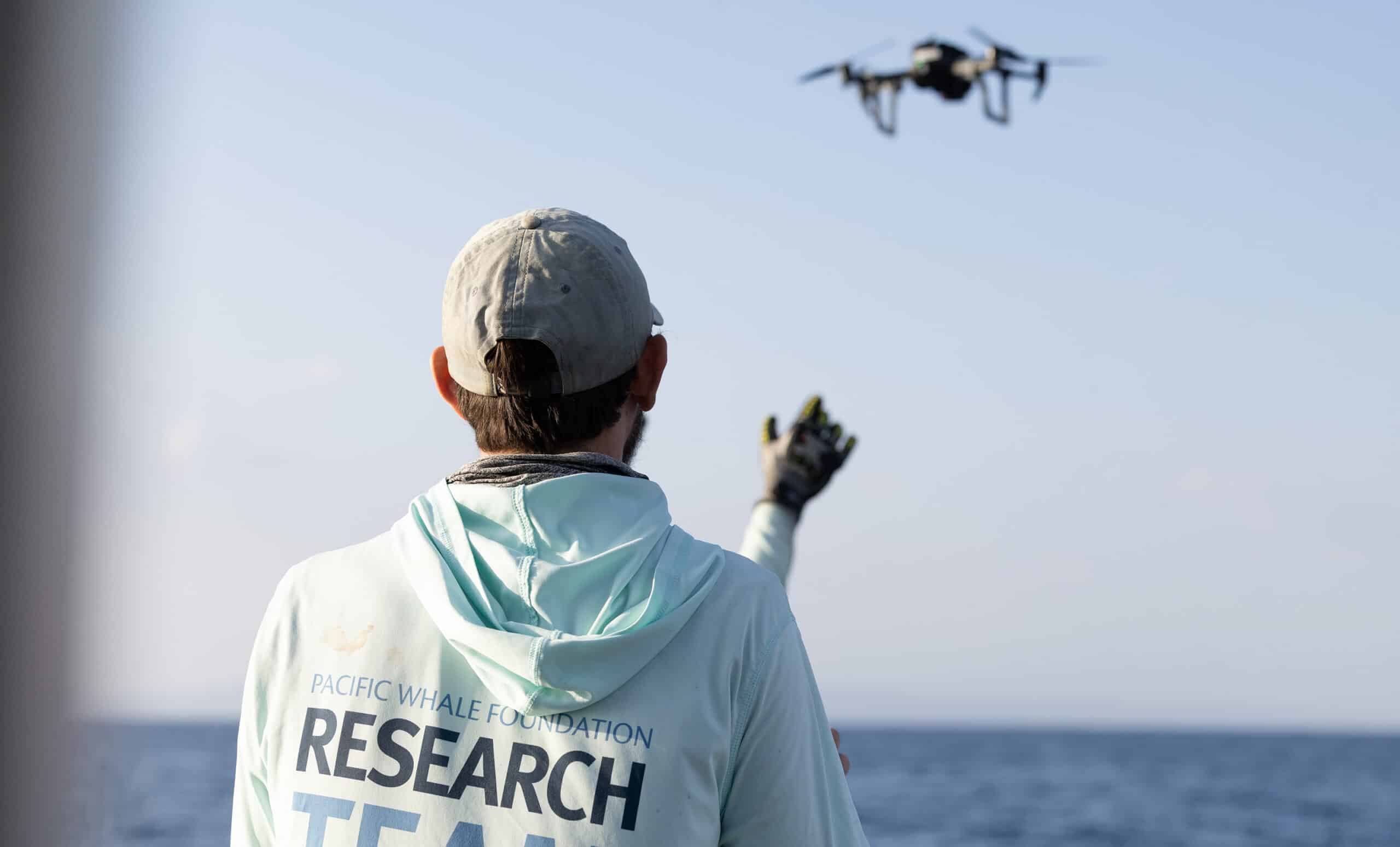
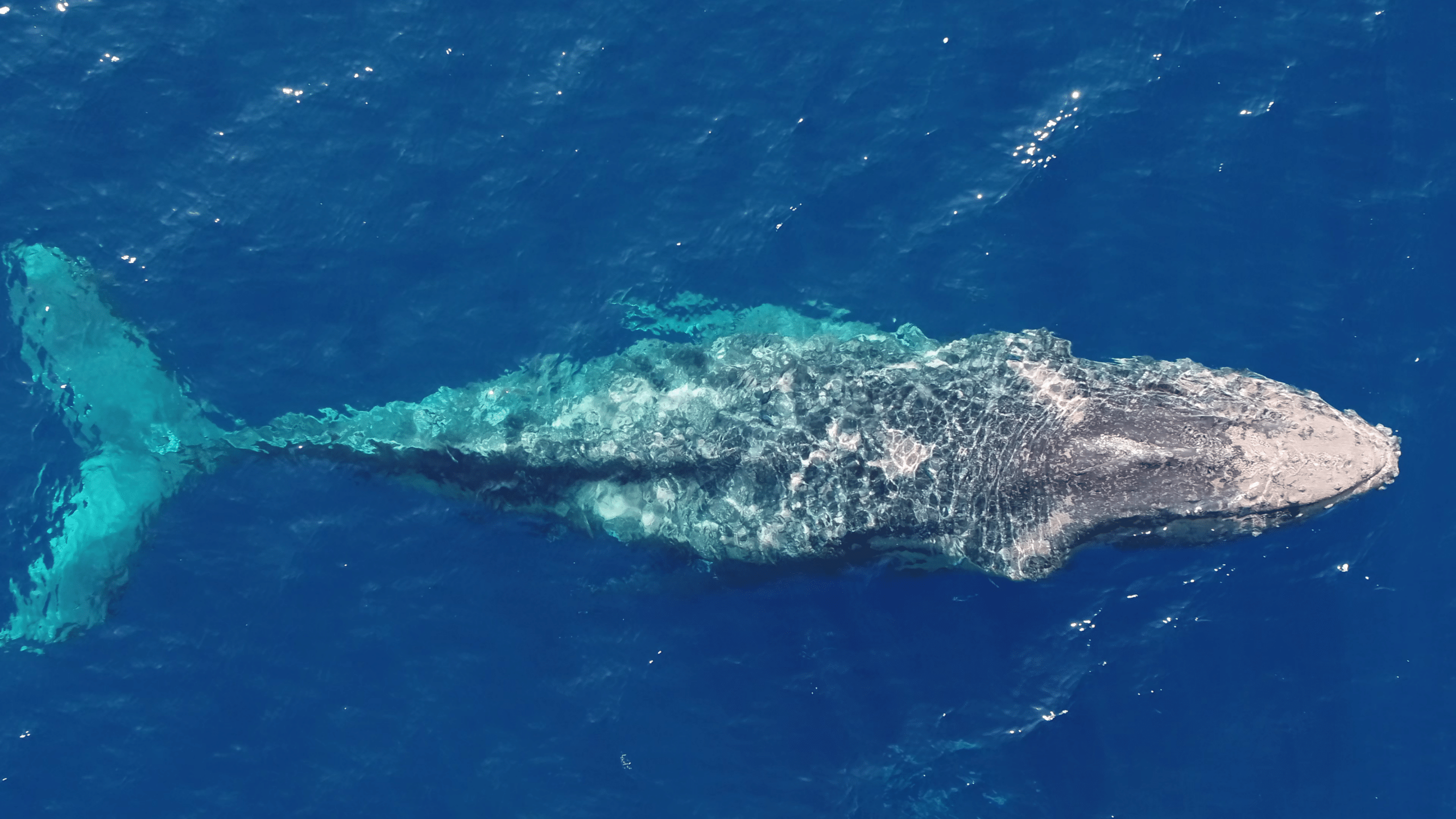
Humpback whales, or koholā, rarely feed in Hawaiʻi. They fatten up in Alaska over the summer and live off that stored energy while they mate, give birth and nurse here. So what happens to their food thousands of kilometers north shows up in our waters months later.
Out on the water, our job is patient. We wait for a whale to arch and dive, steady the camera, and catch the underside of the tail before it slips under. Each fluke is as unique as a fingerprint. One photo doesn’t say much. Thousands of them, collected year after year, tell you who came back and who didn’t.
That’s exactly what Pacific Whale Foundation’s research team did. In a 2026 study published in Marine Mammal Science, PWF researchers and colleagues used more than 37,000 fluke photos, taken over 21 years by researchers and whale watchers, to identify 10,371 individual whales [16] What was found:
- Survival crashed. Before the heatwave, about 98.7% of Hawaiʻi’s humpbacks survived from one year to the next. In the worst year, that fell to 68.4% Roughly one in three whales didn’t come back.
- The population fell. The number of whales using Hawaiʻi dropped 37% between the 2014/15 and 2021/22 seasons, from about 14,700 to about 9,300
- Recovery is incomplete. Survival has climbed back to about 95.6% The population hasn’t caught up.
That last point is why this El Niño is a great concern. A population that hasn’t recovered from one heatwave is now facing another warm stretch. Humpbacks usually have one calf every few years, so a big loss can take a decade or more to rebuild.
This winter season, the research team will be photographing flukes and adding them to the long term record, so we can see how Hawaiʻi’s whales come through this event.
Bigger than Hawaiʻi
Hawaiʻi is one piece of a much larger picture. Across the North Pacific, roughly 7,000 humpbacks, about 20% of the population, went missing after the last heatwave [17, 18]
Chile. In March 2015, as a strong El Niño was building, at least 343 whales died in a single gulf in Patagonia, most of them endangered sei whales. Researchers linked the deaths to a toxic algal bloom. It remains the largest baleen whale mass mortality ever recorded [19].
- Alaska. About 8 million common murres, a diving seabird, lived in the region before the heatwave. More than half of them disappeared between about 2014 and 2016 [7]
- Peru. This year, Peru partly suspended its anchovy season, a fishery worth more than a billion dollars, as El Niño threatened fish stocks [20]
- Pacific Island nations. Many island nations depend on tuna for food, jobs and government revenue. They are now bracing for disrupted catches that could last into 2027 [21]
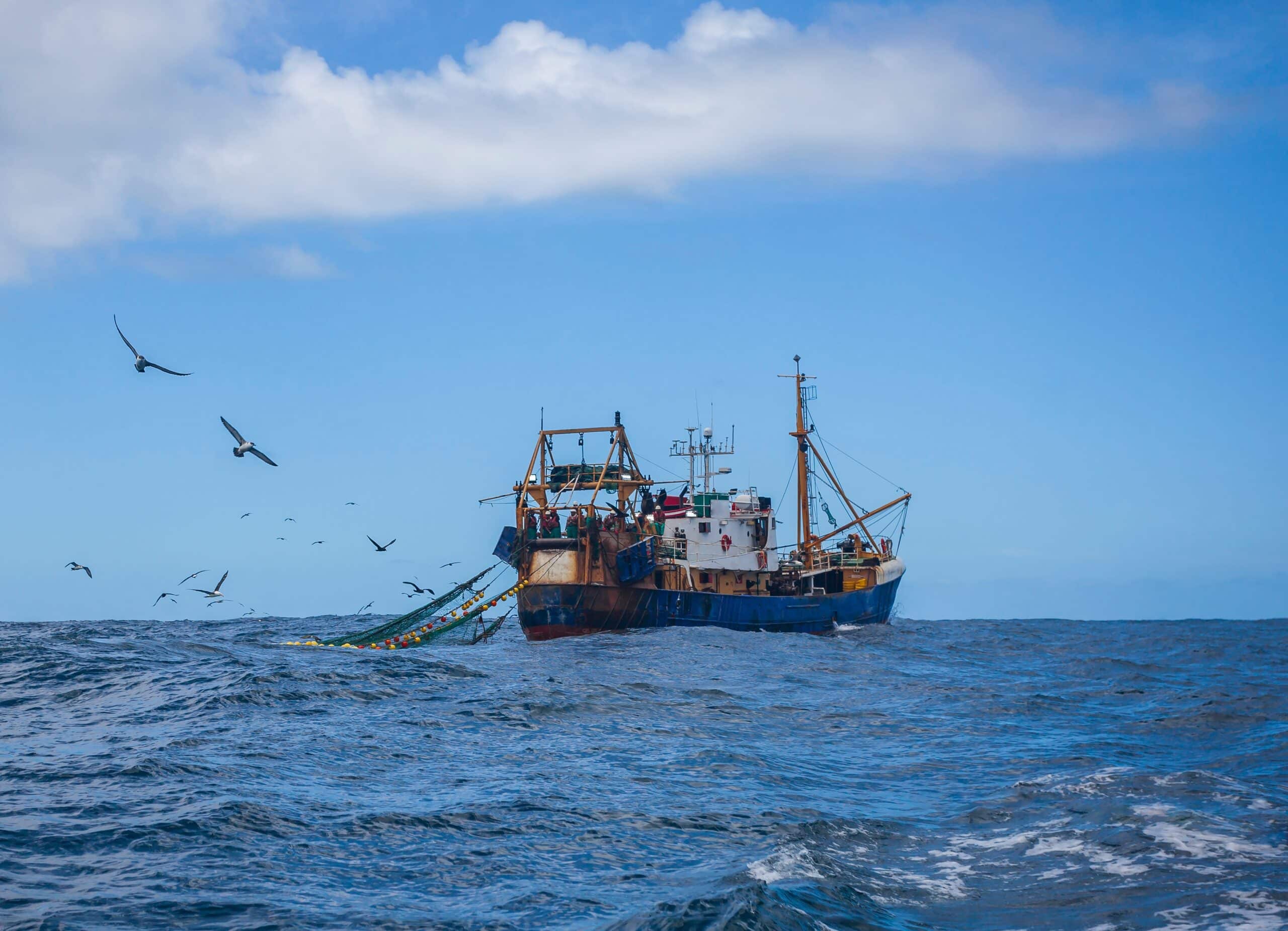
The food web that feeds whales feeds us too. When upwelling stalls, fisheries close, seafood gets scarcer, and coastal communities take the hit. Whales are just the ones we notice first.
El Niño will pass. The warming underneath it won’t, unless we cut the emissions driving it. That part is ours to change.
How you can help
Stay with us. Sign up for our newsletter or follow @pacificwhalefoundation on Instagram to keep up with what our researchers find this season.
Share your photos. If a humpback shows you its tail, photograph the underside of the fluke. If you see dolphins, photograph the dorsal fin and the side of the body. Then send your photos to our research team.
Report what you see. If you spot a stranded, entangled or injured marine animal in Hawaiʻi, call the NOAA Marine Wildlife Hotline at 888.256.9840.
Watch whales responsibly. Keep your distance, and choose operators who follow NOAA’s viewing guidelines. If you’re on Maui, a cruise with PacWhale Eco-Adventures is one option. As PWF’s social enterprise, its ecotours help fund our research and conservation programs.
Make everyday choices count. The ocean feels what we buy, eat and throw away. Choose seafood from well-managed fisheries, cut back on single-use plastics, and use less energy at home and on the road. Each choice adds up to less pressure on the ocean and less of the warming that drives events like this one.
Sources
[1] NOAA Climate Prediction Center. 2026. ENSO Diagnostic Discussion, October 8, 2026.
[2] Al Jazeera. 2026. Global ocean temperatures hit record high as El Nino intensifies. August 25, 2026. Reporting data from the Copernicus Climate Change Service.
[3] Cai, W., et al. 2023. Anthropogenic impacts on twentieth-century ENSO variability changes. Nature Reviews Earth & Environment 4(6):407–418.
[4] McPhaden, M. 2023. Has climate change already affected ENSO? NOAA Climate.gov ENSO Blog, July 27, 2023.
[5] NASA Earth Observatory. 2026. El Niño Alters Marine Life in the Pacific.
[6] Gabriele, C. M., Amundson, C. L., Neilson, J. L., Straley, J. M., Baker, C. S., and Danielson, S. L. 2022. Sharp decline in humpback whale (Megaptera novaeangliae) survival and reproductive success in southeastern Alaska during and after the 2014–2016 Northeast Pacific marine heatwave. Mammalian Biology 102(4):1113–1131.
[7] NOAA Fisheries. 2026. 7 Ways El Niño and Large Marine Heatwave Could Affect West Coast Marine Species. June 12, 2026.
[8] Ingman, K., Hines, E., Mazzini, P. L. F., Rockwood, R. C., Nur, N., and Jahncke, J. 2021. Modeling changes in baleen whale seasonal abundance, timing of migration, and environmental variables to explain the sudden rise in entanglements in California. PLOS ONE 16(4):e0248557.
[9] Kügler, A., Lammers, M. O., Zang, E. J., Kaplan, M. B., and Mooney, T. A. 2020. Fluctuations in Hawaii’s humpback whale Megaptera novaeangliae population inferred from male song chorusing off Maui. Endangered Species Research 43:421–434.
[10] Cartwright, R., Venema, A., Hernandez, V., Wyels, C., Cesere, J., and Cesere, D. 2019. Fluctuating reproductive rates in Hawaii’s humpback whales, Megaptera novaeangliae, reflect recent climate anomalies in the North Pacific. Royal Society Open Science 6(3):181463.
[11] Santora, J. A., et al. 2020. Habitat compression and ecosystem shifts as potential links between marine heatwave and record whale entanglements. Nature Communications 11:536.
[12] UC Santa Cruz. 2020. Study connects marine heat wave with spike in whale entanglements. January 2020.
[13] Ziegenhorn, M. A., Hildebrand, J. A., Oleson, E. M., Baird, R. W., and Baumann-Pickering, S. 2023. Odontocete detections are linked to oceanographic conditions in the Hawaiian Archipelago. Communications Earth & Environment 4:423.
[14] Barrios, D. M., Baird, R. W., and Kratofil, M. A. 2024. Beaked whales and El Niño: evidence for ENSO effects on Blainville’s beaked and goose-beaked whale space use in Hawaiian waters. Marine Ecology Progress Series 751:189–209.
[15] Barrios, D. M., Baird, R. W., and Kratofil, M. A. 2024. Conference abstract. Cascadia Research Collective.
[16] Barber-Meyer, S., et al. 2026. Humpback Highs and Lows Amid Shifting Seas. Marine Mammal Science 42:e70231. Full paper. Pacific Whale Foundation plain language summary.
[17] Cheeseman, T., Barlow, J., Acebes, J. M., et al. 2024. Bellwethers of change: population modelling of North Pacific humpback whales from 2002 through 2021 reveals shift from recovery to climate response. Royal Society Open Science 11(2):231462.
[18] KTOO Public Media. News coverage of Cheeseman et al. 2024 with Glacier Bay researcher Janet Neilson. Study reveals 30% decline in Alaska humpbacks in last decade March 13, 2024
[19] Häussermann, V., et al. 2017. Largest baleen whale mass mortality during strong El Niño event is likely related to harmful toxic algal bloom. PeerJ 5:e3123.
[20] Inside Climate News. 2026. This Year’s El Niño Could Spell Disaster for American Fishermen. July 28, 2026.
[21] Pacific Islands News Association. 2026. Strong El Niño expected to disrupt Pacific tuna fisheries into 2027. October 12, 2026.
[22] NOAA Fisheries. Frequent Questions: Preventing and Investigating Monk Seal Harm and Disturbance. Lists the statewide Marine Wildlife Hotline.